
Symbiosis, or the associations between organisms, is the glue that holds an ecosystem together and in balance. Once thought of as a villain, threat, and pest, wolves were nearly exterminated from North America. Other wild canids, or members of the dog family, often face similar fates around the world.
We now know how important wolves are to the ecosystem, so let’s delve into five types of wolf symbiotic relationships, and the symbiotic relationships of other canids as well.
Introduction
The health of our ecosystems depends on the relationships among the plants and animals within them. Like all parts of an interconnected web, no organism lives in isolation; each one plays a role within the ecosystem that affects the organisms around it. This delicate dance is what maintains balance in the ecosystem and lets it thrive.
Here at the Endangered Wolf Center, we know that wolves and other canids are often a central player in the ecosystems, and their relationships with other animals are pivotal for the environment.
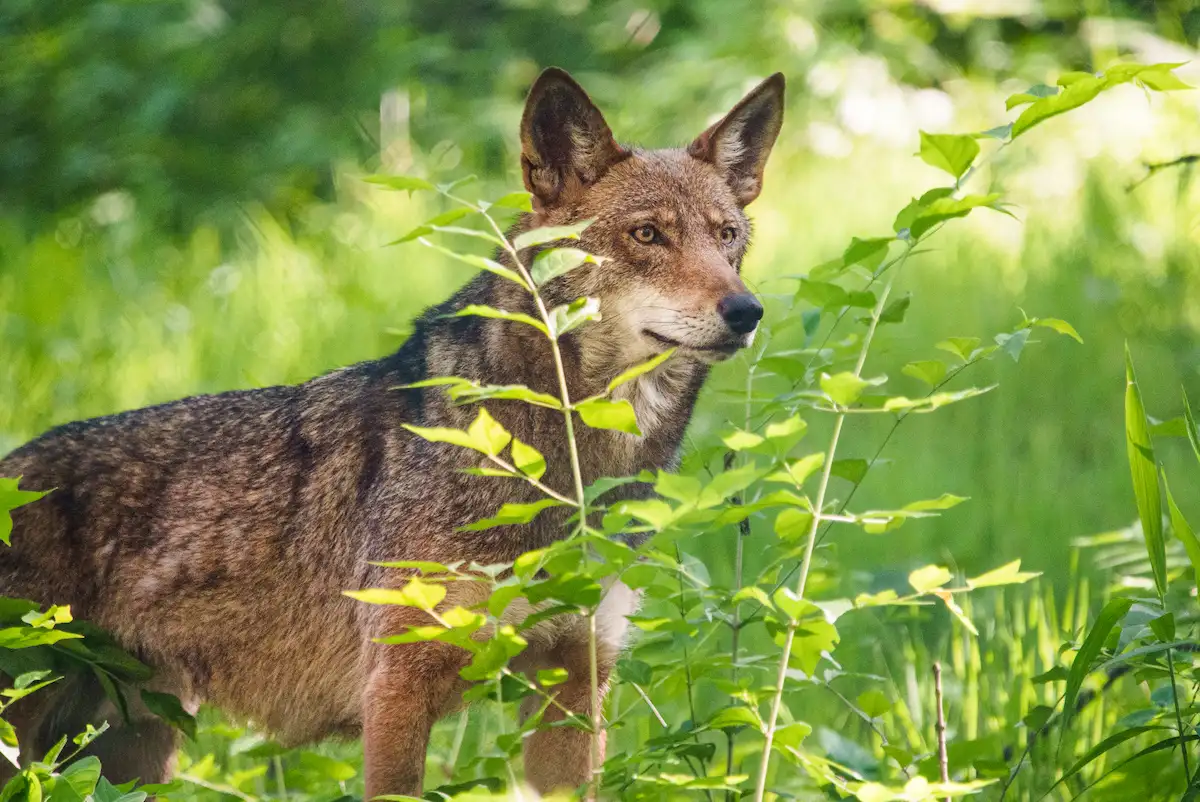
A Wolf’s Role
Some animals have large roles in maintaining ecological balance, with wolves being a great example. They are considered a keystone species, which is a species that has a larger impact on the ecosystem than their numbers would suggest, meaning that their removal from the ecosystem leads to far reaching effects.
This is due to the way that wolves interact with deer, elk, and other ungulates (hoofed mammals); contrary to public opinion, wolves aren’t the most successful hunters. Depending on the area and source of prey, wolves actually succeed in only 5-15% of their hunts on average.
Ungulates are fast and strong, and hunting is a dangerous business for a wolf, so to maximize their success, wolves target the sick and weak of the herd. This slows the spread of disease and keeps ungulate populations stable by leaving only the strong and healthy to breed.
They also prevent their prey from overgrazing the land as stalking pressures ungulates to stay on the move. This preserves and protects the food and habitat of smaller animals, prevents erosion, lessens the impact of natural disasters, and keeps our waterways clear.
We run into trouble when wolves are removed from the landscape. The absence of wolves leads to a collapse of the ecosystem, called a trophic cascade. But deer and elk aren’t the only animals wolves have direct interactions with.
These fascinating and important relationships are what we call symbiosis, which is described as a close, long-term association between two or more dissimilar biological species.
Symbiosis is categorized into five total types. Let’s learn about each type in relation to wolves and other canids, and how they affect the larger ecosystem.
What is Mutualism? A Boon For Both
The first type of symbiosis is mutualism, which is a relationship where both parties benefit. They may benefit in ways such as increased hunting or scavenging success, protection, and social interaction, amongst other advantages.
The environment isn’t the only thing that benefits from mutualism; examples of mutualism often inspire ancient mythology and become important parts of human culture.
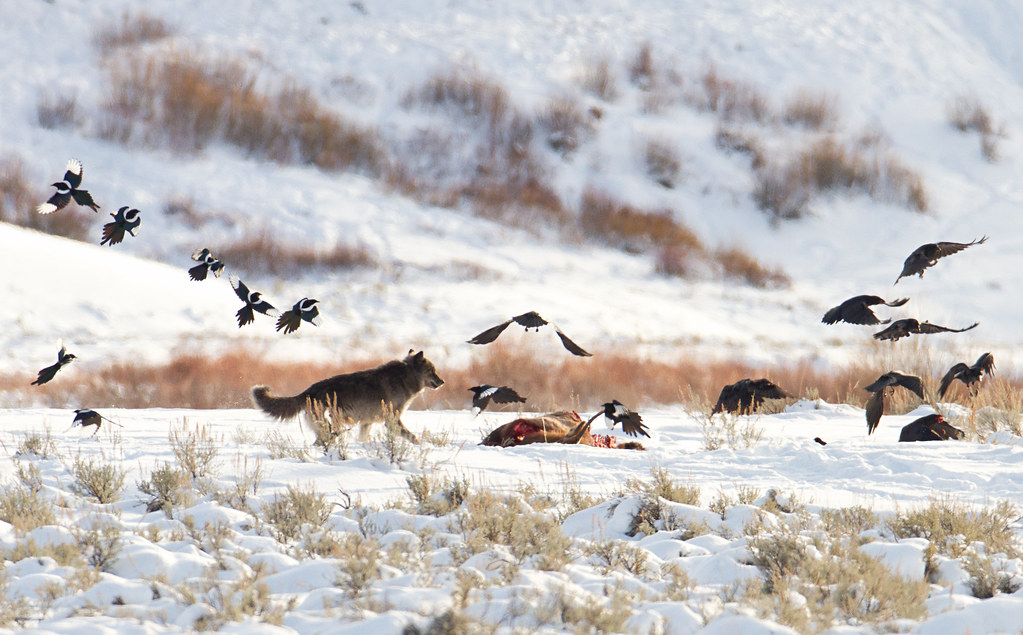
Wolves, magpies, and ravens in Yellowstone
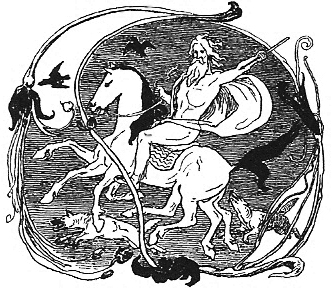
The ravens Huginn and Muninn, and wolves Geri and Freki were Odin’s companions in Norse Mythology
Wolves and Ravens
Perhaps the most famous example is the relationship between gray wolves and ravens. Like wolves, ravens are a social species that are able to coordinate, problem solve, and form bonds. Ravens will often scan elk herds, looking for any sick or weak herd members. They will then circle and harass that weakened individual to signal to the wolves which elk to target. This benefits wolves by increasing their hunting success and, in turn, benefits the ravens, who will then share in the kill.
The targeting of sick ungulates also strengthens the overall health of the herd by slowing down the spread of disease and only leaving the strong to continue breeding. One such disease that wolves reduce is chronic wasting disease. Chronic wasting disease is characterized by mutated proteins called “prions” that accumulate in the brain and cause an animal to “waste.” This means the animal will experience a plethora of health issues, including emaciation despite normal food intake, a poor coat, and neurological issues. Wolves are resistant to being infected by chronic wasting disease and can eat these infected deer. While animals like wolves and coyotes do spread prions through their feces, they do so at a reduced rate due to the acidic environment of their stomach, which reduces the overall load.
In Yellowstone National Park, studies show that ravens can be found sharing in 100% of wolf kills. Other corvids, such as crows and magpies, interact with wolves similarly and are frequently seen at kill sites. Ravens and other corvids also act as sentries, keeping an eye out and squawking to alert wolves if any predators are looking to steal meat. This relationship is also socially beneficial on both sides, as ravens have been seen bonding with individual wolves and even playing tug-of-war with wolf pups!
The relationship between wolves and ravens reaches beyond the ecosystem and into human identity; their interactions are so well documented that several cultures around the world refer to ravens as “wolf birds,” and feature this relationship in their mythologies.
Coyotes and Badgers
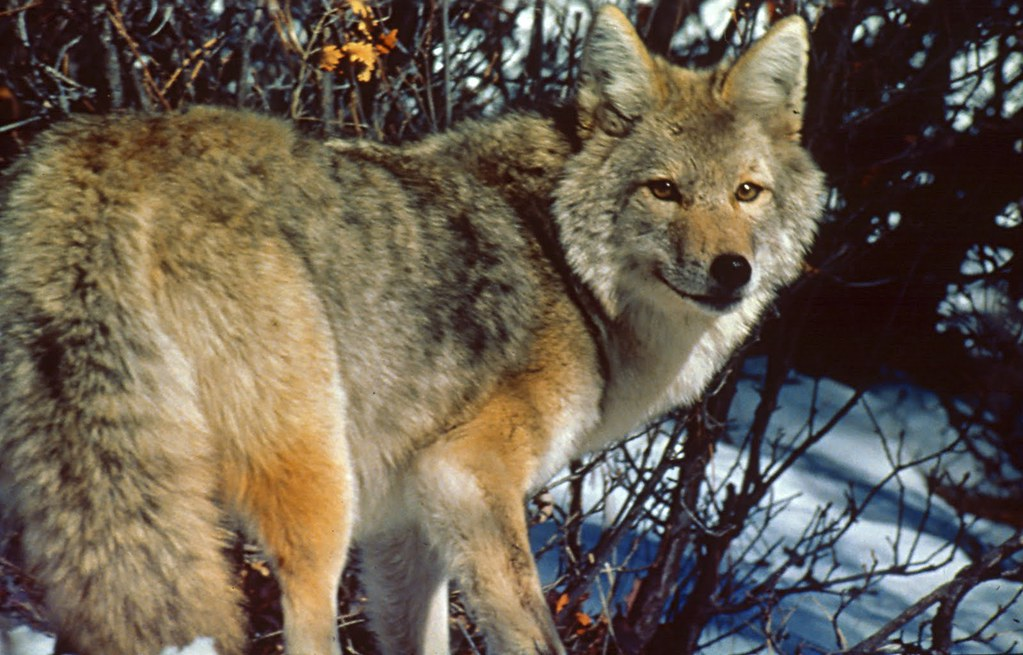
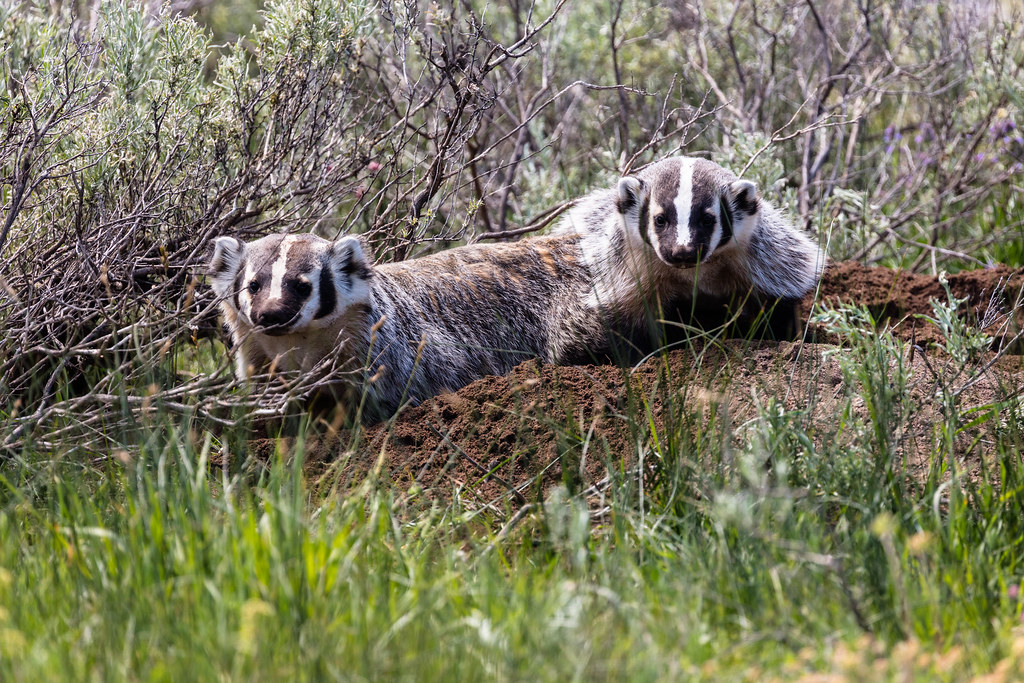
Another example of mutualism with canids in North America is between coyotes (Canis latrans) and badgers (Taxidea taxus). Coyotes generally target smaller prey than wolves do, and instead of hunting in packs, will hunt in pairs or alone.
In the case of a coyote and badger hunting pair, the badger will tunnel underground and flush out rodents like ground squirrels and prairie dogs. The coyote will wait above ground and catch the prey as it is coming out, which increases their hunting success. This also increases the badger’s hunting success as the coyote keeps more rodents from escaping the burrow system, which allows the badger to hunt more effectively below.
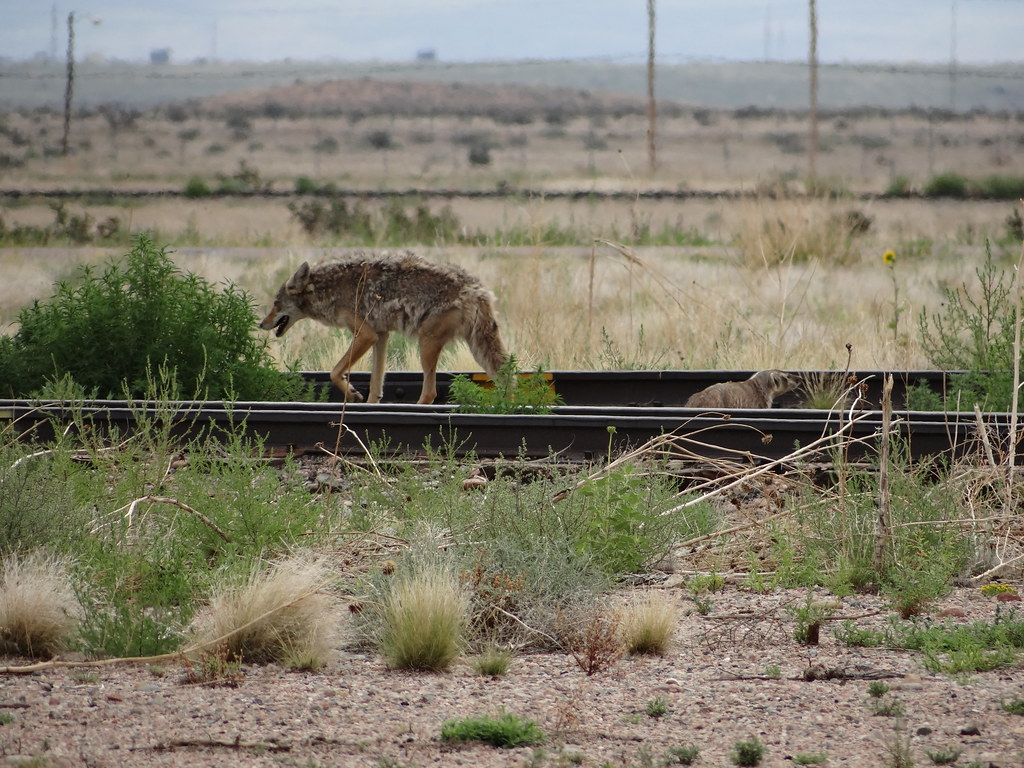
Coyote and badger in same frame
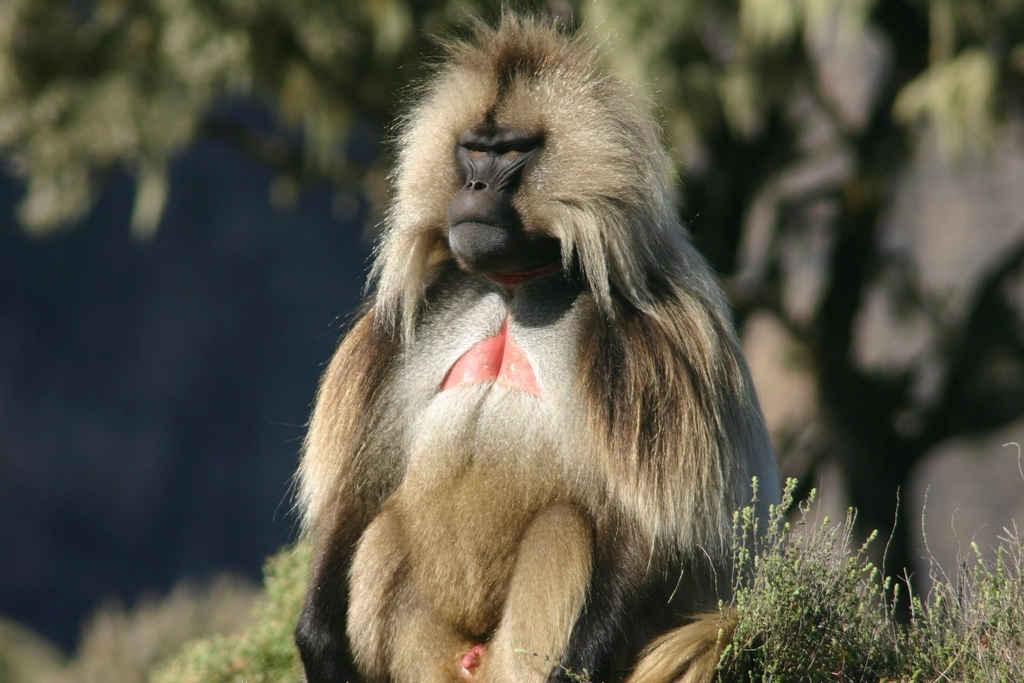
Gelada monkey
Monkeying Around: Ethiopian Wolves and Gelada Monkeys
Ethiopian wolves (Canis simensis) and gelada monkeys (Theropithecus gelada) are another surprising example of a symbiotic relationship. Gelada monkeys are largely grazers and will eat grasses, herbs, and flowers, and dig up roots and rhizomes. Their grazing and foraging activity stirs up small rodents and flushes them out of their nests, which then benefits Ethiopian wolves, who have specialized in hunting rodents. Not only is their hunting success increased, but wolves may also use these large monkey herds as cover to sneak up on their prey more easily.
Ethiopian wolves largely leave the gelada monkeys alone, and the monkeys have become used to these wolves. Gelada monkeys passively benefit from the presence of these wolves as they deter other predators. However, because the monkeys do not actively seek out wolves for protection and Ethiopian wolves are not a deterrent for all predators, researchers are still debating whether the relationship is best described as mutualistic or commensalistic. As we will discuss later, symbiosis is rarely cut and dry.
Bee in Your Bonnet? Wolves can be Pollinators Too!
Symbiosis doesn’t have to only be between animals; plants also share key relationships with other plants and animals. And while wolves are largely carnivorous, this doesn’t negate their interactions with the plants around them.
Ethiopian Wolves are a great example of this. While rodents make up a majority of their diets, recent studies show that they also consume nectar. A study published in November 2024 by the Ethiopian Wolf Conservation Programme (EWCP) showed that the wolves will lick the nectar of the Ethiopian red hot poker plant (Kniphofia foliosa), which provides them with energy. When doing this, they passively collect the pollen on their muzzles, transferring pollen from plant to plant as they feed. Ethiopian wolves are one of the very few mammal pollinators in the order Carnivora, of which there are fewer than ten.
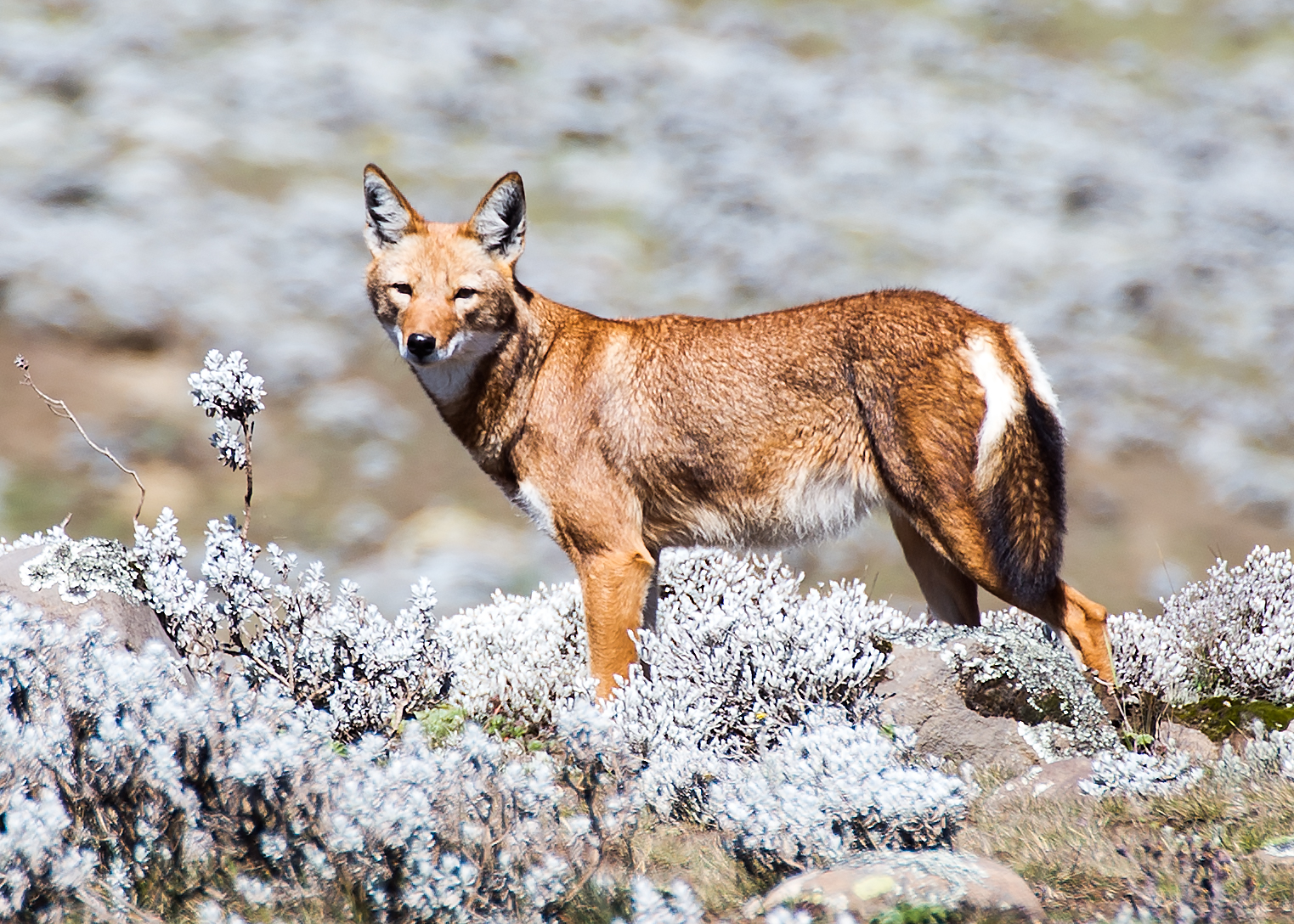
Ethiopian wolf
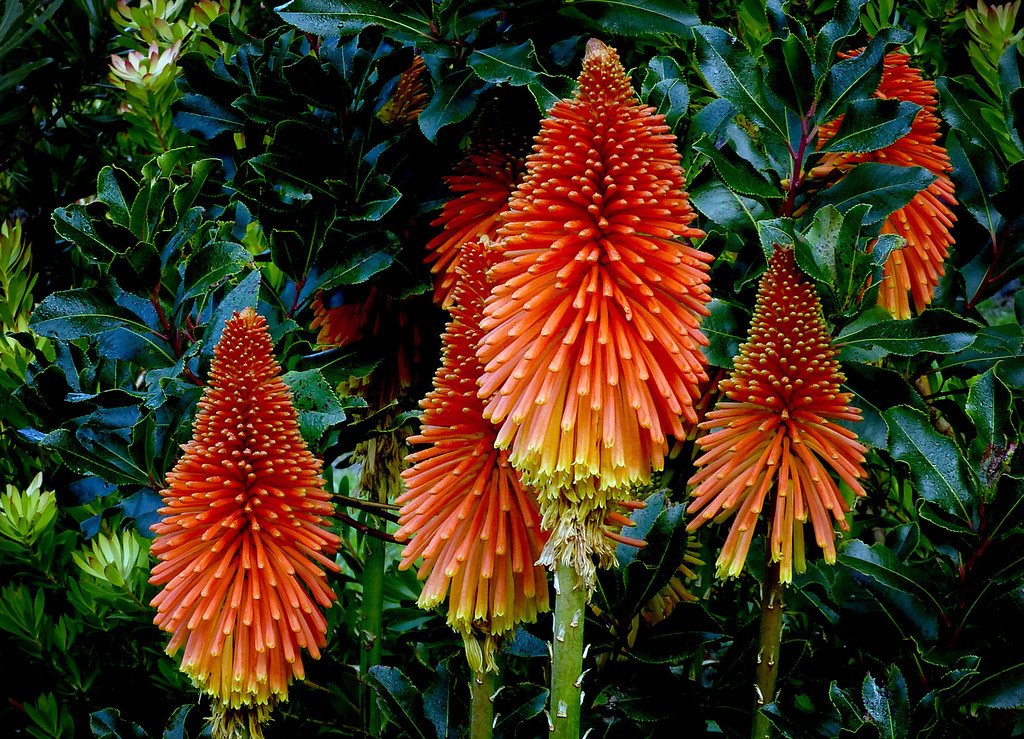
Red hot poker plant
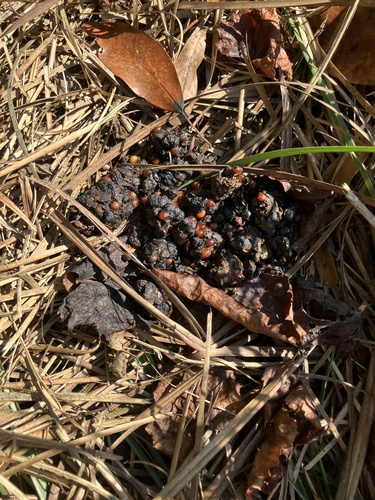
Note: this is bear scat
Poop is Important! Symbiosis and Seed Dispersal in Wolves
There are other animals within the family Canidae that also have significant symbiotic interactions with plants. While the Ethiopian wolf is the only canid pollinator we know of, plenty of canids participate in seed dispersal, a crucial process that maintains widespread plant biodiversity. In these relationships, the canids benefit from the calories and fiber of plants, while the plants benefit from the dispersal of their seeds and the increased germination rate due to having been digested.
There is often the misconception that carnivores strictly eat meat and that herbivores strictly eat plant matter; however, animal behavior rarely fits within our neatly defined human classifications. It would be more accurate to say that animal behavior, niches, and nutritional needs are on a spectrum and are an ever-evolving process based on the relationships they have with the plants and animals around them. Carnivores have simple, short, and acidic digestive systems, best suited to moving meat and any pathogens through quickly. Herbivores have long and complex digestive systems built for the fermentation of plants. It is optimal for these animals to eat biologically appropriate diets; however, most mammals do display some degree of opportunistic omnivorous behavior, whether that be a deer occasionally munching on a mouse or a tiger snacking on berries.
An example of this is gray wolves and American Red Wolves. They are considered facultative carnivores, meaning that while plant matter is not necessary to their health, they do have some degree of flexibility in their diet. The majority of their diet should always be animal products, but they can benefit from fiber and derive some limited nutrients from plant matter. This is a little different from obligate carnivores like cats, who may occasionally consume plant matter but derive very little to no actual nutrition (though the fiber is helpful for digestion).
In fact, the wolves at the Endangered Wolf Center will sometimes forage on the fruits dropped from native persimmon trees, and they pass the seeds of those persimmons through their stool. Wolves across North America have been known to snack on a variety of berries, and in South Asia, wolves have been seen on trail cameras consuming bananas and mangos. European wolves will sometimes consume apples and cherries! (Note that the pits, leaves, and stems of cherries, as well as the seeds of apples, can be toxic to canids as they contain cyanide. If feeding cherries and apples to your dogs at home, make sure you stick to small amounts and only feed flesh!)
Foraging behavior is helpful to prevent starvation when prey is scarce, and usually increases in late summer as fawns are more mobile and become harder to catch. Coyotes and foxes are also frequent foragers. So next time you’re out in the forest and see wild animal scat, take a pause for the poop! The seeds you find in it can tell you a lot about an animal’s life and the habitat around you.
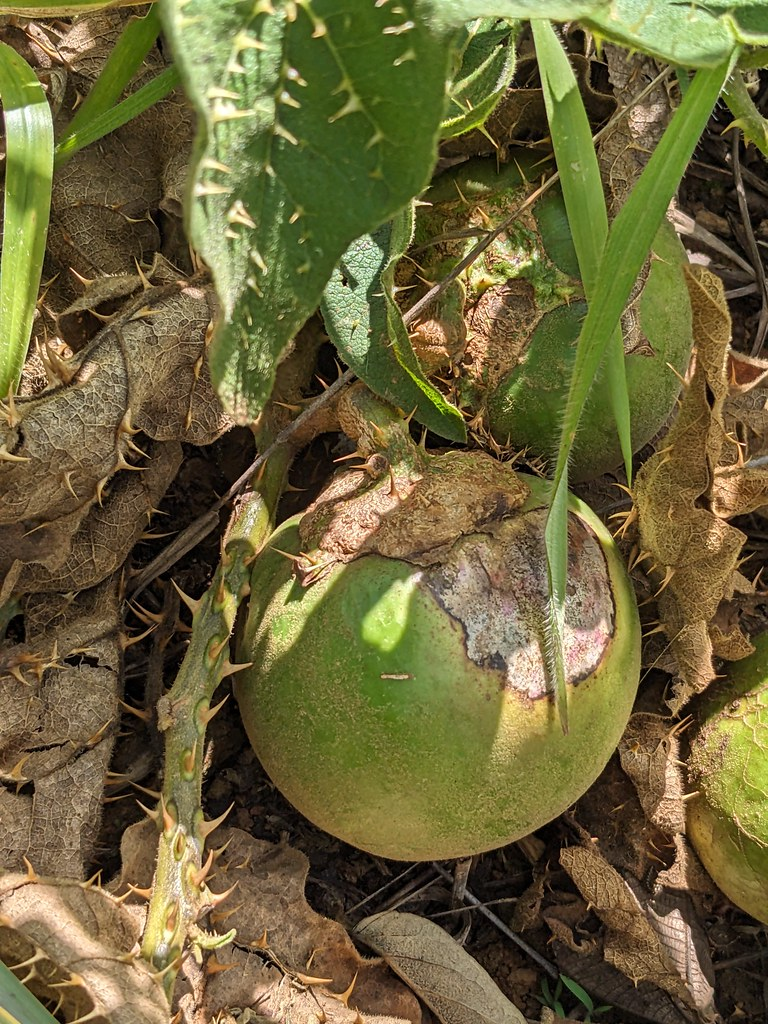
Lobeira fruit/Solanum lycocarpum
Maned Wolves and the Lobeira Fruit
One of the best examples of seed dispersal in canids is the symbiotic interaction between South American maned wolves (Chrysocyon brachyurus) and the lobeira fruit, or “wolf apple” (Solanum lycocarpum). Maned wolves are crucial for regulating the population of small prey species. However, few canids truly eat as many plants as the South American maned wolf, whose nutritional needs and behavior make them the most omnivorous animal in the canid family.
Plant matter makes up an unprecedented 50% of their diet in the wild, and their symbiotic relationships with these plants are a cornerstone of South American ecosystems like the Cerrado region and, to a lesser extent, the Pampas Grasslands.
The lobeira fruit is a large part of the vegetation they eat, and when the seeds of the lobeira and other fruits pass through the maned wolf’s digestive system, their ability to germinate increases. The lobeira fruit’s seeds increase from a maximum germination rate of 41% to a 91% germination rate after dispersal by an animal. For another plant, the pau-d'óleo (Copaifera arenicola), seed germination increases from 34.7% to 87.7% after the fruit is digested by the maned wolf. That’s some important poop!
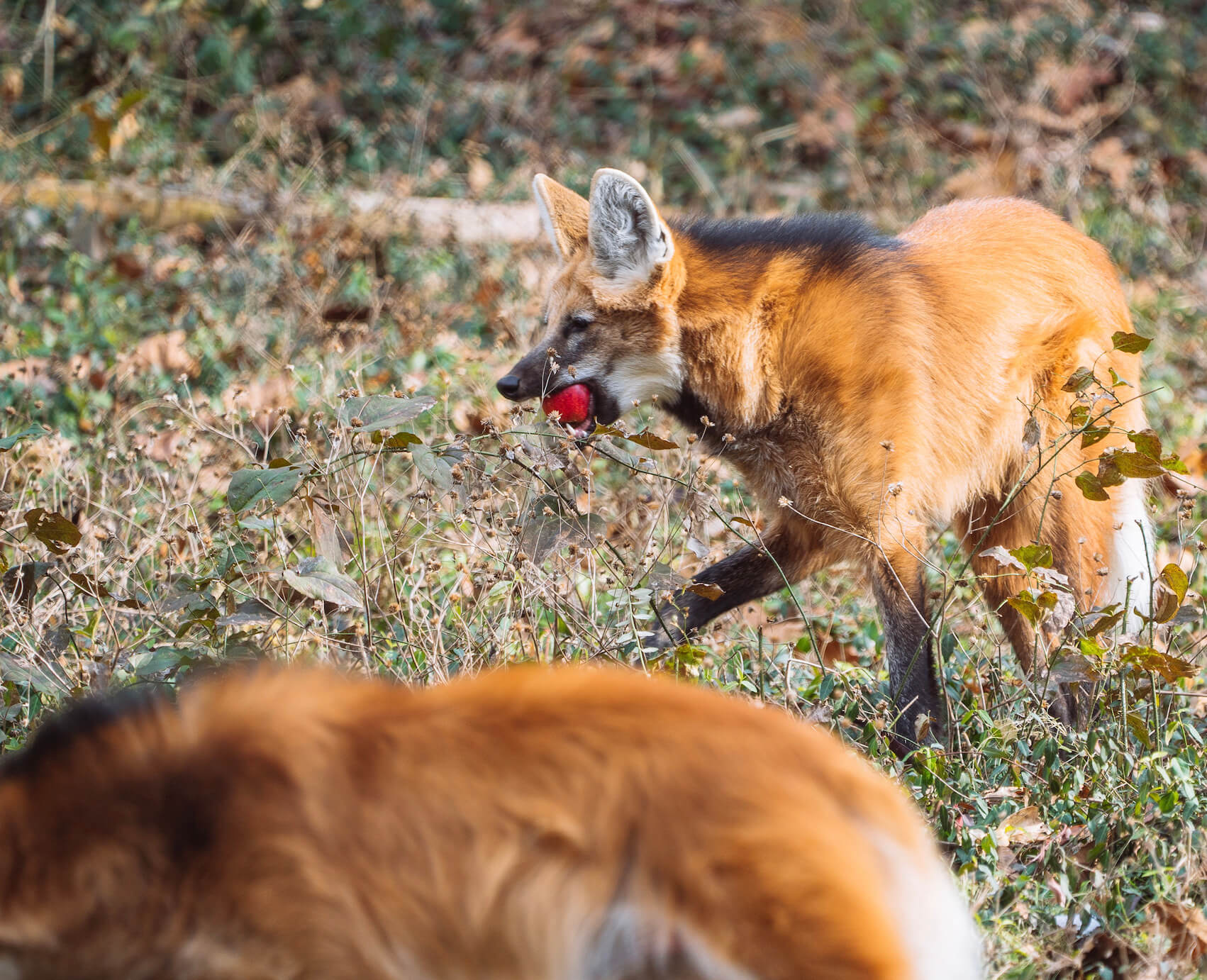
A maned wolf at the Endangered Wolf Center eating fruit as part of their diet.
Wolves and Ants?
Along with their symbiotic relationship with plants, South American maned wolves also have a mutualistic relationship with leafcutter ants (such as the species Acromyrmex balzani, among others) in the wild. South American maned wolves first pass fruit seeds through their digestive system, which come out in their droppings. Leaf-cutter ants will then take these droppings and use them to fertilize their underground mycelium gardens, and they use this fungus for food. The ants then discard the seeds, further dispersing them and increasing the chances of seed germination.
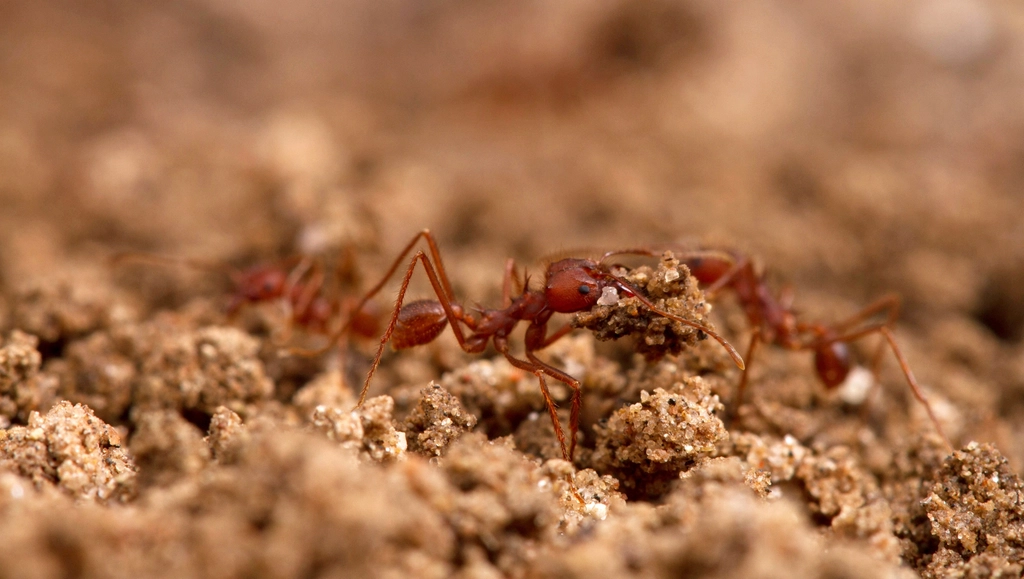
Leafcutter ants
This relationship is mutually beneficial because not only do the leaf-cutter ants benefit from the dung, but the maned wolves benefit from the seed dispersal and increased germination rates of their food sources.

Domestic village dog
Man’s Best Friend
The biggest example of mutualism with canids is between wolves and humans. There are many theories on dog domestication, and there may have been more than one domestication event in more than one part of the world. One theory, called the “garbage dump theory,” is that dogs hung around human settlements, scavenging for food and hunting small prey. Over thousands of years, that population naturally selected for more compact body sizes and opted for looser social structures as they no longer needed to cooperate to hunt. These village dogs still exist all over the world; many of the modern breeds we are familiar with were created by breeding these village dogs into standardized forms.
While this is the dominant theory, others argue that this wouldn’t have happened until the advent of farming and the keeping of domestic livestock, as early hunter-gatherers were not known to be wasteful. While this may or may not have been true in some parts of the world, as dogs were one of the first animals to be domesticated, it lends credibility to another theory. This theory is that humans and dogs coevolved, as there are some oral traditions that describe the hunting partnership that early humans and wolves may have shared. In this partnership, it is said that wolves would chase down and corner prey, while humans could use their spears to then finish the hunt.
Whatever the case may be, it is clear that human history was shaped by the presence of dogs; often bred for specific jobs in farming, city life, and war, they are a significant part of human success. In return, we provide food and shelter. This mutual relationship is a special one, earning dogs the title of “man’s best friend.”
Well, One of Us Gets to Have Fun: Commensalism in the Wild
Another kind of symbiosis is called commensalism, which is a relationship where one party benefits and the other is unaffected. One example of this is the relationship between wolves and pronghorn antelope (Antilocapra americana).
Wolves have a competitive relationship with coyotes, effectively controlling and chasing coyotes off. Pronghorn fawns are a primary source of prey for coyotes, but when wolves chase coyotes off, the survival rate of these fawns increases. While wolves sometimes prey on pronghorn fawns, this is a rare occurrence due to the pronghorn's incredible speed. The reduced presence of coyotes provides a significantly greater benefit to pronghorn. This is a good example of indirect commensalism, as the benefits to the pronghorn stem from the wolf’s interaction with a third party and not a direct relationship.

Pronghorn
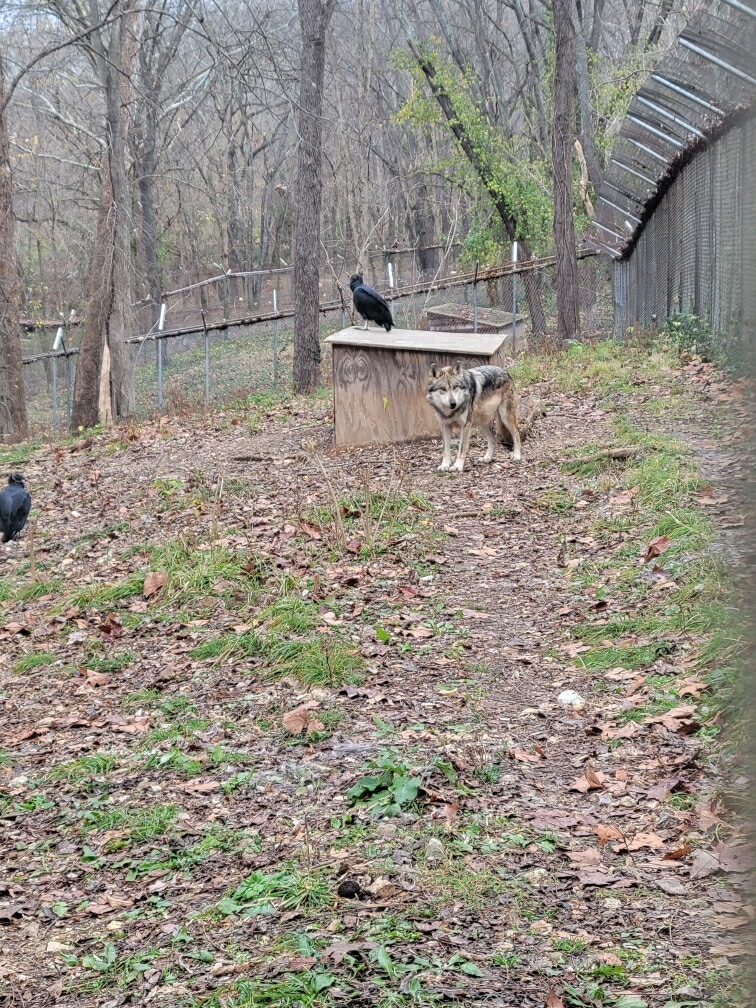
Black vultures and Mexican wolf at EWC
A Direct Example at EWC
An example of direct commensalism can actually be seen in the habitats of the Endangered Wolf Center. We receive donations of whole prey deer from the Certified Bowhunters of St. Louis County, which are fed to the wolves as a source of food and enrichment. The wolves greatly benefit from receiving whole deer, as it teaches them what native prey looks and smells like, creates an opportunity for the pack to communicate and bond, and allows them to practice caching extra food, which is an essential survival skill.
However, the wolves are not the only ones who benefit from this whole prey. When the wolves are done eating, they often allow black vultures (Coragyps atratus) and turkey vultures (Cathartes aura) to come in and finish any leftovers. In this instance, the vultures are benefiting from the wolves, but the wolves are unaffected by the vultures.
Fight Club; What is Competition?
A well-known category of symbiosis is competition, which is defined as a relationship in which neither party benefits. Common examples are wolves and coyotes, which compete for territory and some prey. Relationships between wolves and mountain lions or bears are also examples of this due to their competition for similar prey sources.
Competition with other predators for food sources is always a threat; in general, it is often easier to steal a fresh kill from another predator than it is to hunt it yourself. Another notable example is between African painted dogs (Lycaon pictus) and spotted hyenas (Crocuta crocuta). African painted dogs are successful in about 60-80% of their hunts. However, some studies show that in the Serengeti, hyenas show up at over eighty-five percent of kill sites of Thompson gazelle (Eudorcas thomsonii) and blue wildebeest (Connochaetes taurinus) in an attempt to steal prey. Other predators, such as lions (Panthera leo), also display this behavior, relying in part on the African painted dog’s hunting success and driving them off of their food.

Spotted hyena
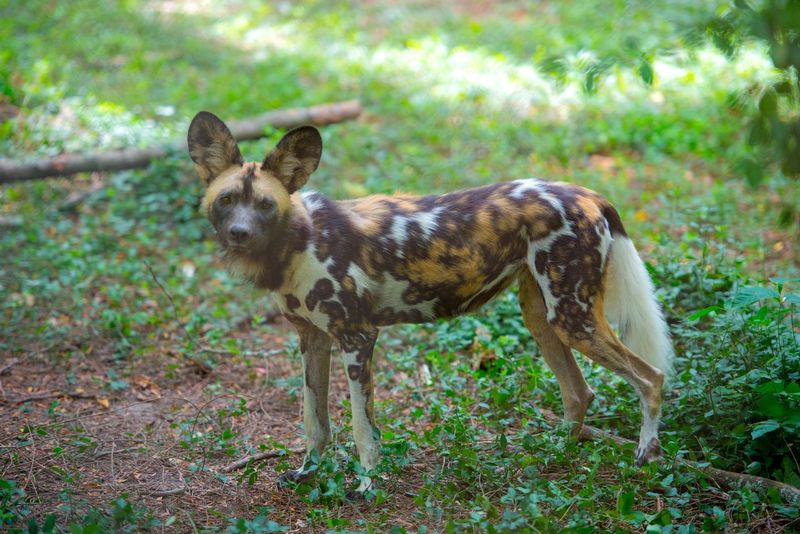
African painted dog
When Balance Breaks: Invasive Species
Competition dynamics between certain species are a great reminder of why it is most beneficial to preserve native species. Ecosystems with native species have a long history of symbiotic relationships that have led to balanced ecosystem dynamics. When invasive plants and animals are introduced, they have a higher likelihood of outcompeting native species and throwing the ecosystem out of balance.
A worldwide example of this is with feral domestic dogs, which are considered invasive as they do not have a place in wild ecosystems. They not only compete for resources, but also spread diseases like canine distemper to wild canids, such as the African painted dog.
Another example includes mesquite trees (Neltuma juliflora). A tree native to South America, it was planted across the grasslands of India’s Thar desert in the 1960s in the hopes of preventing desertification. However, due to a lack of competition, these trees became fast-growing, then spread over the grasslands and destroyed suitable habitat for Indian desert foxes (Vulpes vulpes pusilla).
Even wild canids become invasive when introduced to other parts of the world. The European red fox (Vulpes vulpes) was introduced to Australia in the mid-1800s for sport hunting, which was a popular British pastime. They then quickly became harmful to the ecosystem, not only devastating populations of native rodents and birds, but also becoming competition for native carnivores such as spotted-tailed quolls (Dasyurus maculatus).
Uninvited Guests: Parasitism in the Animal Kingdom
A form of symbiosis that we humans are all familiar with is parasitism, which is defined by a relationship in which one party benefits while the other is harmed. A common example of this in canids is between wolves and ticks. In this relationship, ticks benefit by attaching themselves to wolves to consume their blood, but this can harm wolves as ticks will sometimes transmit diseases such as Lyme disease. While some wolves may be asymptomatic, immunocompromised wolves may show symptoms such as fever, lameness, joint pain, and kidney damage. Other diseases may be transmitted to wolves as well, such as tick paralysis and Rocky Mountain Spotted Fever.

Cayenne tick, or Amblyomma cajennense, known for transmitting Rocky Mountain Spotted Fever and tick paralysis
A Parasite With a Twist: Toxoplasma gondii
Other examples of parasitism in canids include things such as ringworm, mange, fleas, etc. Parasitism can be complicated, however, when the parasite comes with both negative and positive impacts, which removes it from the cut-and-dry definition.
The most famous example of this with wolves is a protozoan, or single-celled organism, called Toxoplasma gondii. Wolves are thought to become infected while scavenging on the carcass scraps that mountain lions leave behind, and it either gets transmitted via contact with mountain lion urine or possibly when scavenging on mountain lion feces (all dogs do it!). It is traditionally parasitic in that it does cause harm to immunocompromised wolves; it can cause neurological issues, harm reproduction (such as causing birth defects), and lead to flu-like symptoms and death in pups. However, in healthy adult individuals, the side effects can be surprising.
Studies show that wolves affected by this parasite become more likely to take risks. For the spread of the parasite, this means that wolves are less shy of other predators, leading them to encounter the parasite’s preferred host, mountain lions and other cats, more frequently. The bold behavior of infected wolves may actually benefit them by driving them to disperse more readily and disperse farther, which drives genetic diversity. It also makes them more likely to reproduce, as these bolder wolves show more leadership and are more likely to become a breeding pair. This illustrates that symbiotic relationships are sometimes more complex than we previously thought.
The Axe Forgets What the Tree Remembers: Amensalism
The last type of symbiosis is not one often discussed, called amensalism. Amensalistic relationships are defined by one party being harmed, while the other is unaffected. A classic example of this is when an animal tramples on plants. In this case, the plants are harmed, while the animal is unaffected.
An example of this with wolves is between wolves, grass, and bugs. Wolves will often create game trails in the forest, trampling the same paths over and over again, which harms plants and bugs that get crushed, while the wolf remains unaffected.
Zoom Out: Bring Symbiosis into Focus
The relationships we have described so far have been individual, between just a few species. But how do these relationships affect the wider ecosystem? Can two species have more than one symbiotic relationship?
Let’s take the previous example of amensalism. While wolves display amensalism with grass and bugs, they have a commensalistic relationship with other animals that indirectly benefit from being able to use these game trails to travel more efficiently. The flow of water will also be altered, following these paths of least resistance, which can pool and create drinking areas for other wildlife. Altered water flow due to game trails may also benefit plants in other areas; so while wolves may harm grass in one area, they may indirectly help plants elsewhere.
The relationships we have described so far have been individual, between just a few species. But how do these relationships affect the wider ecosystem? Can two species have more than one symbiotic relationship?
Competition can also be beneficial for the environment as well. Wolves and ravens work together in mutual symbiosis to target the sick and the weak. When they bring diseased animals down, those kills are sometimes stolen by the wolf’s direct competitor, mountain lions.
While any animal that eats an infected deer may spread chronic wasting disease through their feces, studies show that only 2-3% of the ingested prions come out in the fecal matter of mountain lions. This suggests that the acidic environment of a carnivore’s digestive system is able to denature some prions, which reduces the overall load on the environment. Mountain lions also digest rapidly, so they are unlikely to go far from the kill site to defecate, meaning that they also don’t widely spread the few prions that do make it through.
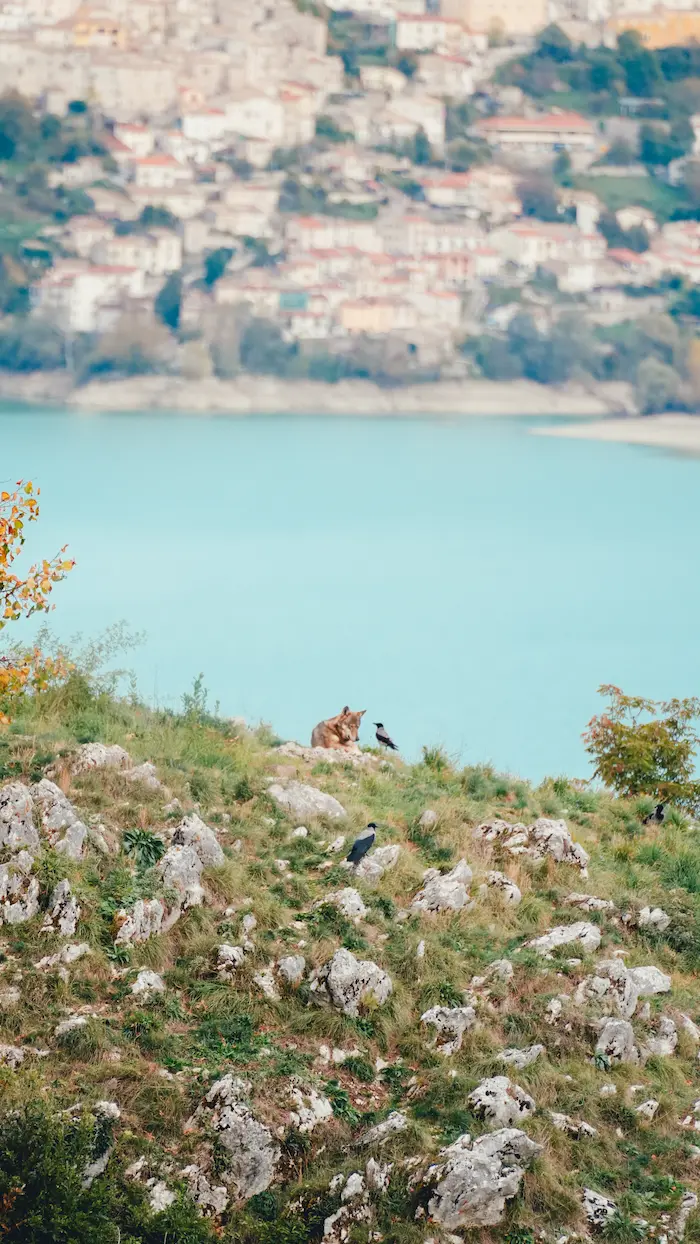
In Italy's Abruzzo region, an Apennine wolf and Eurasian magpie.
Photo: Victoria Ziglar
This goes to show that relationship descriptors like mutualism and competition aren’t the whole picture; zoom out a little, and you can see that the ecosystem is much more complicated. Animals can have more than one symbiotic relationship, and those relationships can piggyback off of other symbiotic relationships to create balance in the environment. Even the smallest interactions can have ripple effects, so if one puzzle piece is missing, it can affect all those around it.
That is why it is so important to preserve our biodiversity. By supporting conservation and adding those puzzle pieces back, we know the landscape can heal itself, supporting animal, plant, and human health. Help us do this by advocating for animals and environmental policies you want to see protected, and volunteering for and donating to conservation organizations such as ours. Every voice counts, and together we can make a difference.
Sources
- wyofile.com – A Wyoming mule deer herd is so riddled with CWD it could nearly vanish
- deerassociation.com – The guts of predatory cats can destroy CWD prions
- journals.asm.org – mSphere study
- wildlifecoexistence.org – Wolves and Chronic Wasting Disease
- mountainjournal.org – Predators and Chronic Wasting Disease
- PMC10869337
- PMC4964857
- PMC8653845
- PMC9912199
- ResearchGate – Seed germination of a myrmecochorous plant endemic to the Brazilian semiarid region
- ResearchGate – Germination of fruits eaten by the maned wolf
- PMC2759253
- umt.edu – University of Montana wolf research news
- science.org – Parasite makes wolves more likely to become pack leaders
- ResearchGate – Feeding Success in African Wild Dogs: Does Kleptoparasitism by Spotted Hyenas Influence Hunting Group Size
- Ecology (ESA Journals) – ecy.4470
- PMC12413330
Help Protect Wolves and the Ecosystems They Support
Wolves hold ecosystems together through the countless symbiotic relationships explored above. Your donation helps the Endangered Wolf Center continue caring for these animals and advocating for the wild populations that depend on them.