
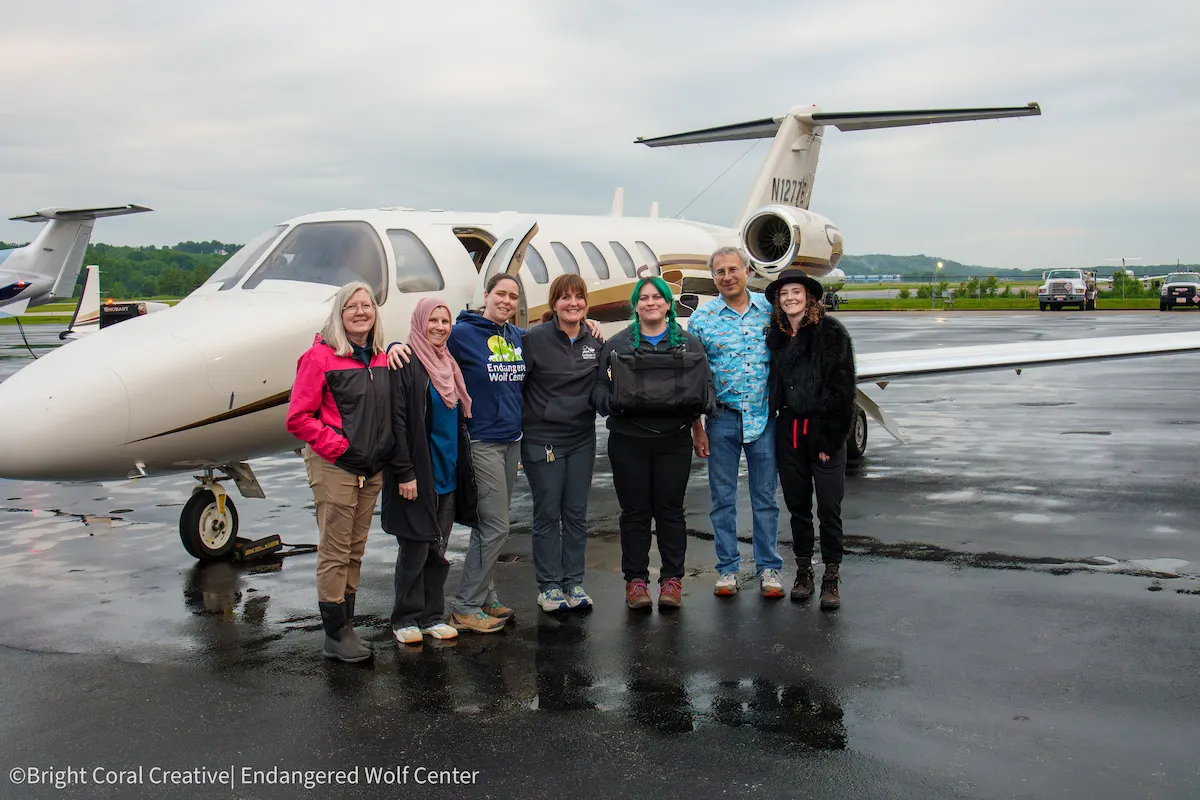
EWC team members Tracy Rein, Kathryn Mathews, Susan Schmoker, Rachel Crosby, and Alison Bailey join LightHawk pilot Kenneth Adelman before pups begin their journey.
Pawsitive News for Mexican Wolves
On May 6, 2026, the Endangered Wolf Center (EWC) flew four 9-day-old Mexican wolf pups to Arizona to be fostered into two wild packs.
This collaborative effort between the EWC, the U.S. Fish and Wildlife Service, and its partners represents hope for an animal once on the brink of extinction.
The EWC has worked to protect the Mexican wolf since our founding in 1971. This animal, native to both the United States and Mexico, is a crucial piece of the puzzle in the Southwest's delicate ecosystem balance. Though the Mexican wolf is the smallest subspecies of gray wolf in North America, their impact is large, and we are proud to have been part of their comeback story from the very start.
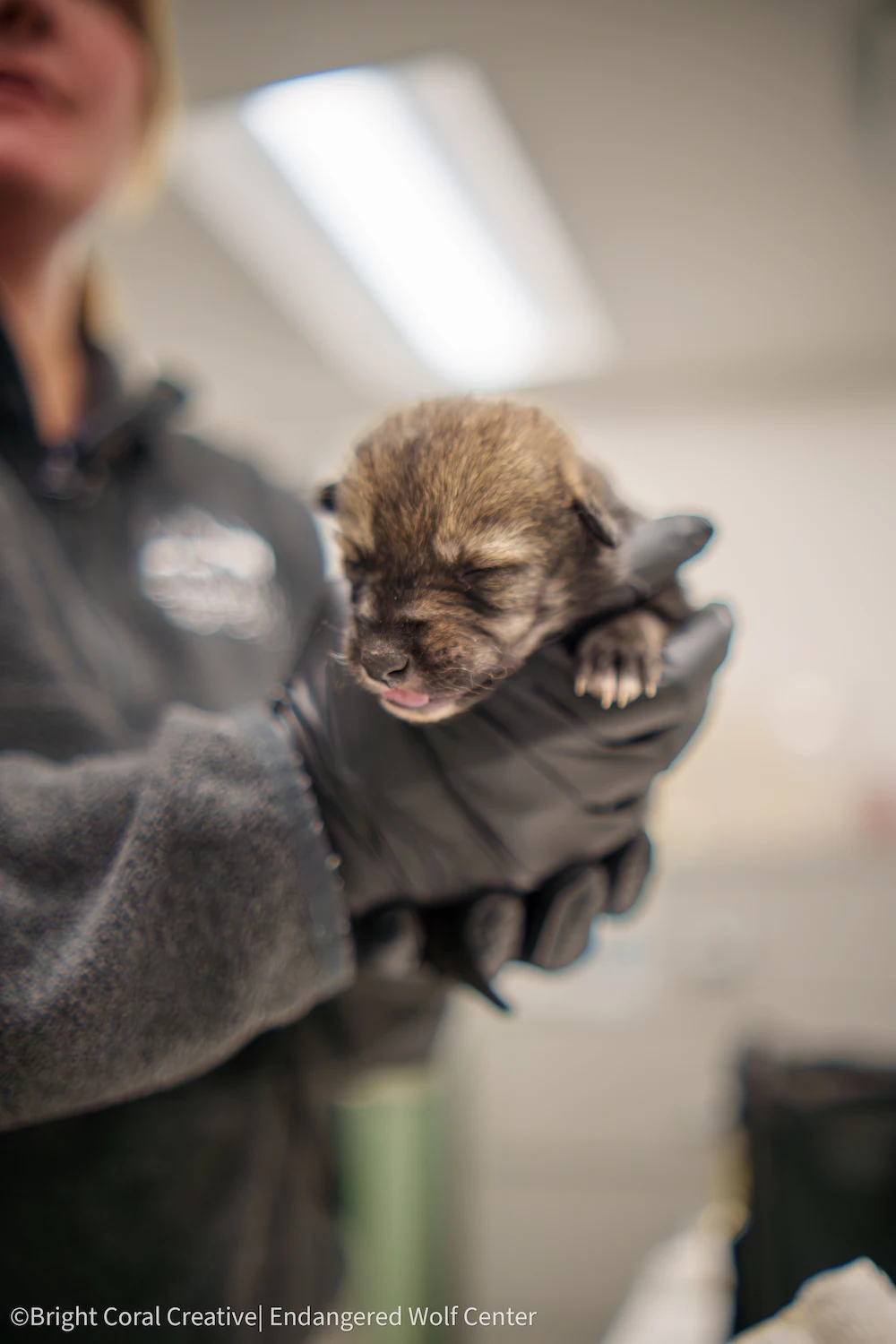
EWC's animal care team examine the four pups to ensure they're healthy and ready for their flight to Arizona.
A Decade of Wolf Pup Fostering Proves Successful
Since captive-to-wild foster efforts began in 2016, with the EWC being the first to foster Mexican wolf pups, 56 captive-born pups have been successfully placed into wild dens from our facility.
With only about 300 Mexican wolves now in the wild, these four pups represent vital new genetics needed for a critically endangered population.
The success of this conservation technique isn't just conservation optimism– it's seen in the numbers of paws on the ground.
For a species once down to just seven individual wolves, the decade-long growth trend in their wild population is news to howl about.
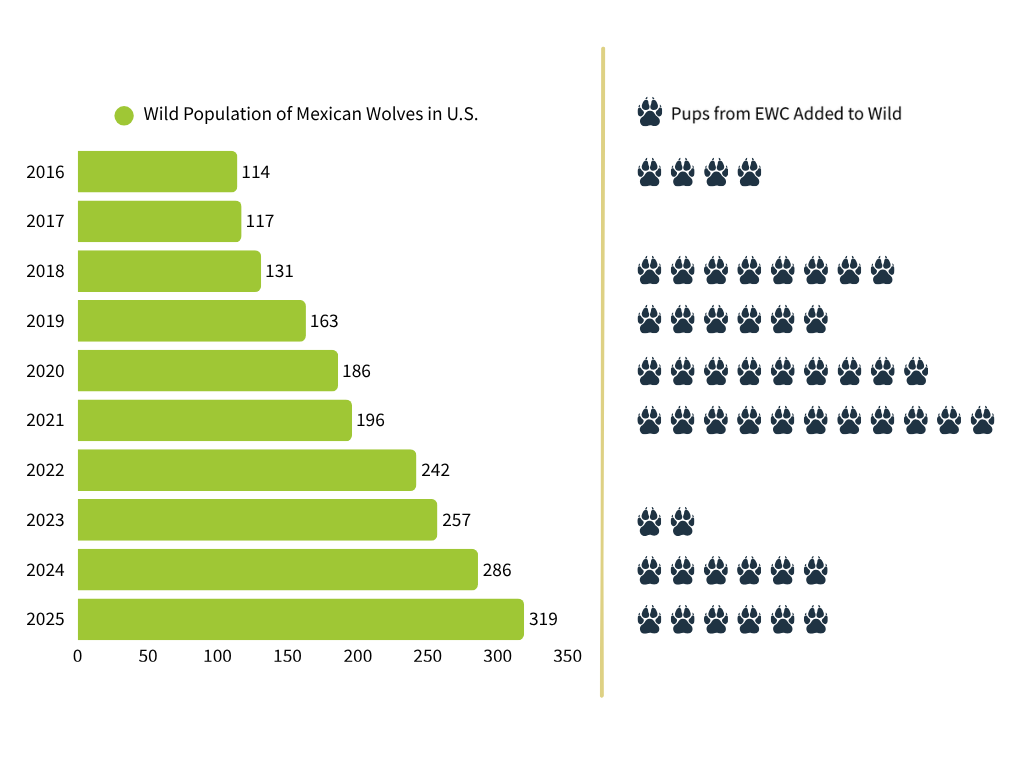

This year marks the tenth anniversary of pup fostering for Mexican wolves, and ten years of growth for the species in the wild. We’re honored to help give these wolves a stronger future.
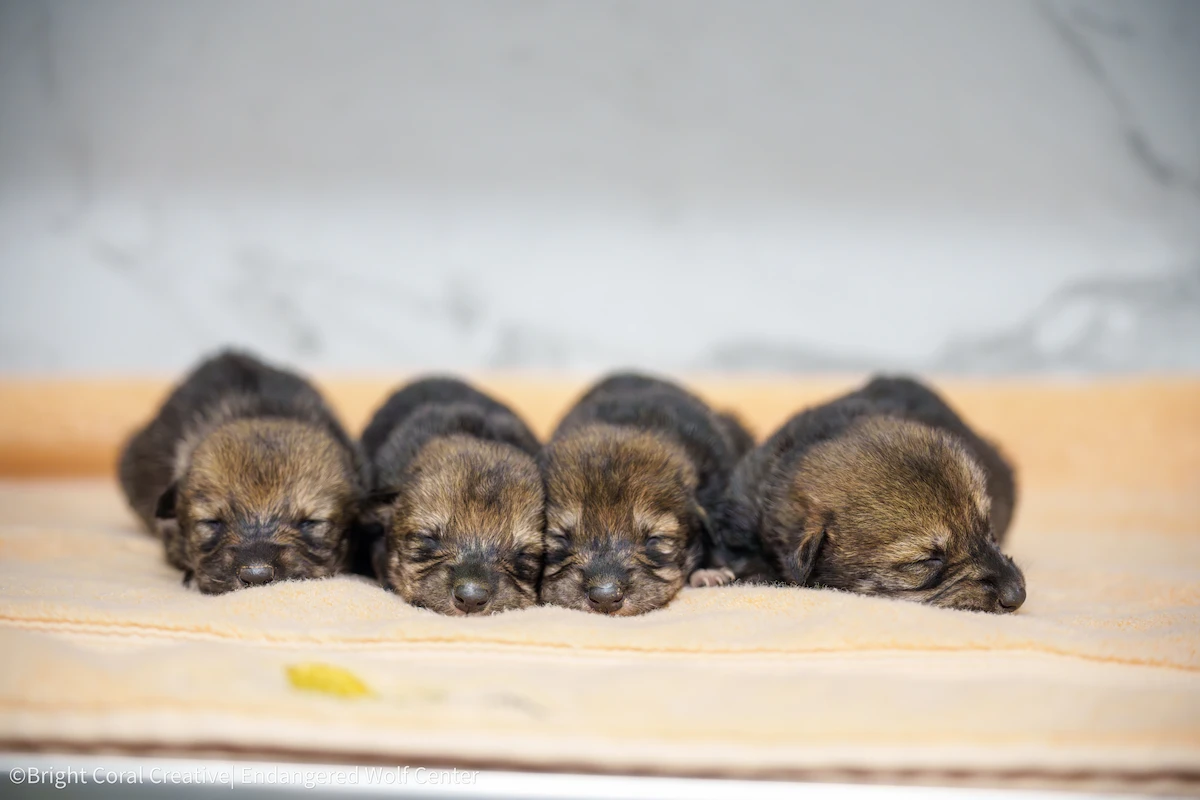
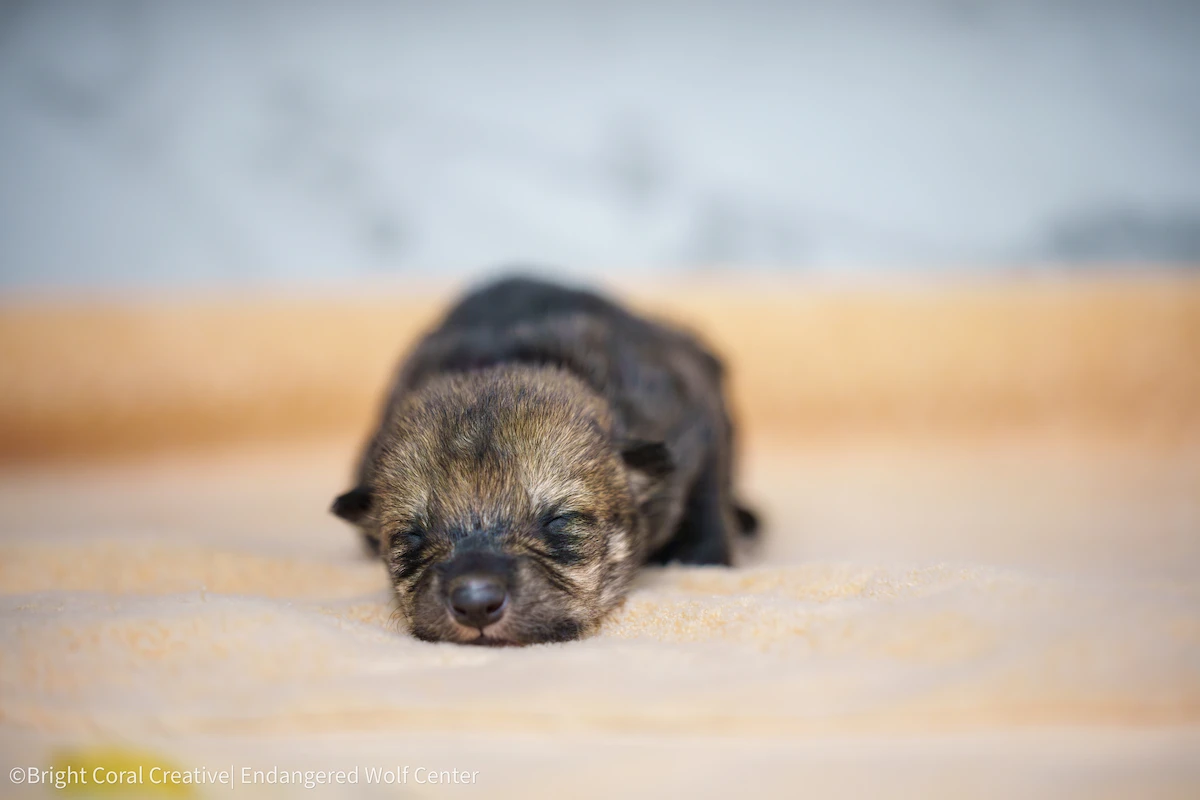
No, these aren't potatoes! Four pups snuggle in before their journey to become wild wolves.
Why Fostering Matters
Fostering is a conservation strategy that takes wolf pups born in one litter and places them with another litter in the wild, with the hope that the wolf mother will adopt the new additions as her own. The goal is to increase genetic diversity.
And thanks to their nurturing instincts, wolf mothers have been found to accept foster pups as their own, raising them with wild know-how that keeps them safe and helps them thrive on the landscape. In 2024, we were delighted to discover that the wolf mother in the pack we were fostering pups into had actually come from the Endangered Wolf Center years prior and was now thriving with a pack of her own. You can watch the whole story unfold here.
Do Wolves Matter?
Do wolves have a place in our North American wilds? Why go through such great efforts to save this species from extinction?
These conservation efforts are important because the Mexican wolf is a keystone species, which means that the ecosystem, and the plants and animals in it, relies on wolves to keep it in balance.
When we conserve Mexican wolves, we see a cascade of positive effects on other wildlife, plant life, and even the human communities that share the landscape.
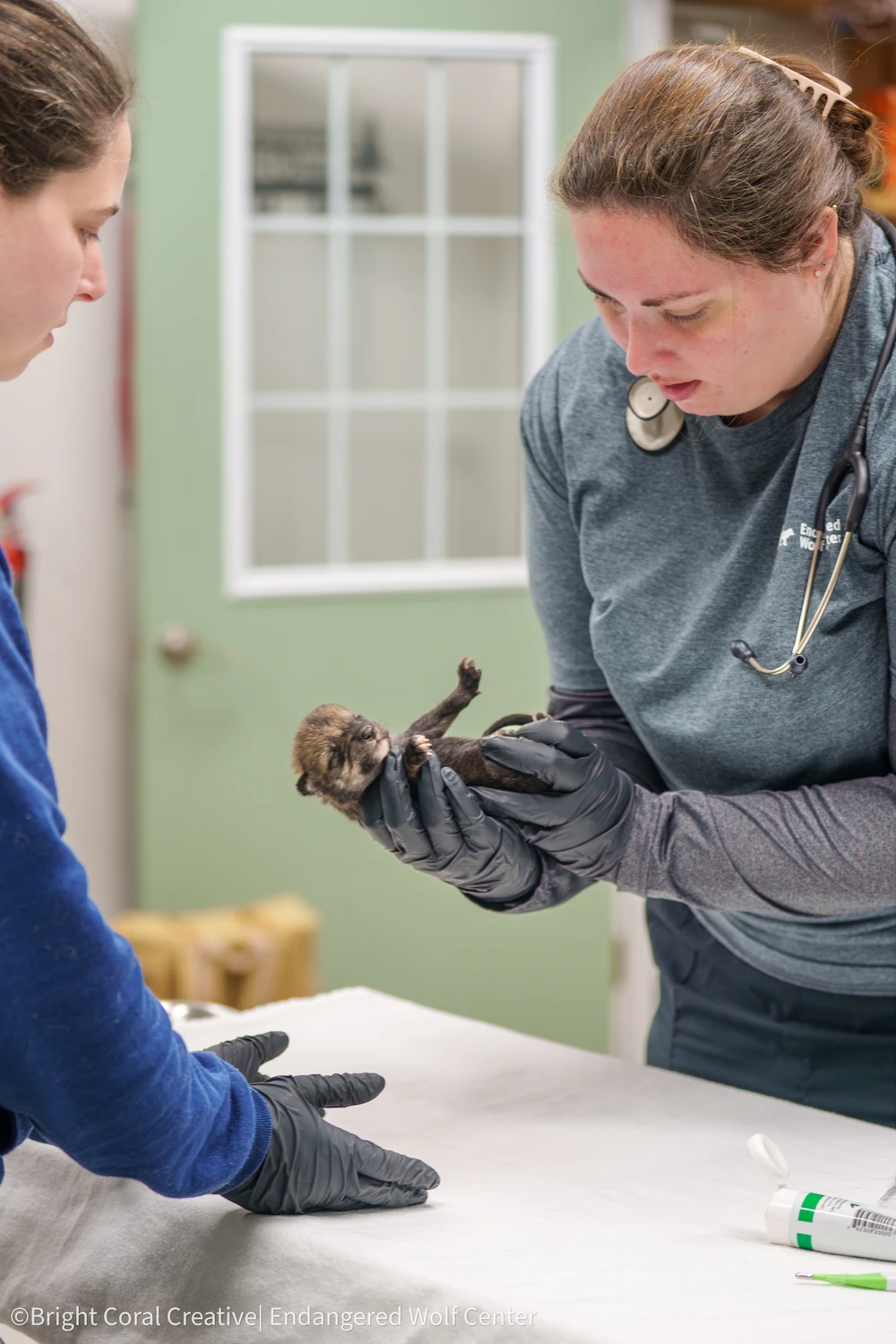
Before beginning their journey to Arizona, the pups received a veterinary exam and microchip, which can help track them in the future.
Growing Hope, Together
Protecting a species requires teamwork that transcends organizational boundaries. Our work depends on partnerships with nonprofit organizations, government and tribal entities, researchers, and local communities.
The tale of the Mexican wolf shows that hope is possible when humans work together, collaboratively protecting the ecosystems and animals they care about.
Keeping the Howl Alive
We thank our 2026 Pup Namers, Endangered Wolf Center Members, supporters, staff, and volunteers that contribute in so many ways to making each year a success.
The howl of these four pups now echoes in the Southwest, and you helped make that possible.
If you'd like to make a difference for Mexican wolves, consider supporting our pack by donating to help us prepare for another decade of pup fostering.