
Wolves Take Flight: Six Mexican Wolf Pups Fly to New Wild Homes
On May 5, 2025, six tiny Mexican wolf pups, just 10 days old, embarked on a life-changing journey. Flown from the Endangered Wolf Center in Missouri to the rugged wilderness of New Mexico, these pups were placed into wild dens—part of a groundbreaking conservation strategy aimed at saving this endangered species.
With only seven founders behind the entire Mexican wolf population, genetic diversity is key to this species’ recovery and removal from the endangered species list.
Successful Efforts for Wolf Recovery
Tracking Progress: Annual Count Confirms Growth in Wild Mexican Wolf Population
How do we keep track of wolf recovery progress? The annual Mexican wolf population survey plays a vital role in the ongoing Mexican Wolf Recovery Program. By recording data such as the minimum number of wolves, active packs, breeding pairs, and pups in the wild, this survey provides essential information to measure recovery progress for this endangered species.
Continued Growth in 2024
In 2024, the survey recorded an encouraging 11% increase in the wild Mexican wolf population, bringing the total to a minimum of 286 wolves. This marked the ninth consecutive year of growth—a hopeful sign that conservation efforts like pup fostering are making a measurable impact.

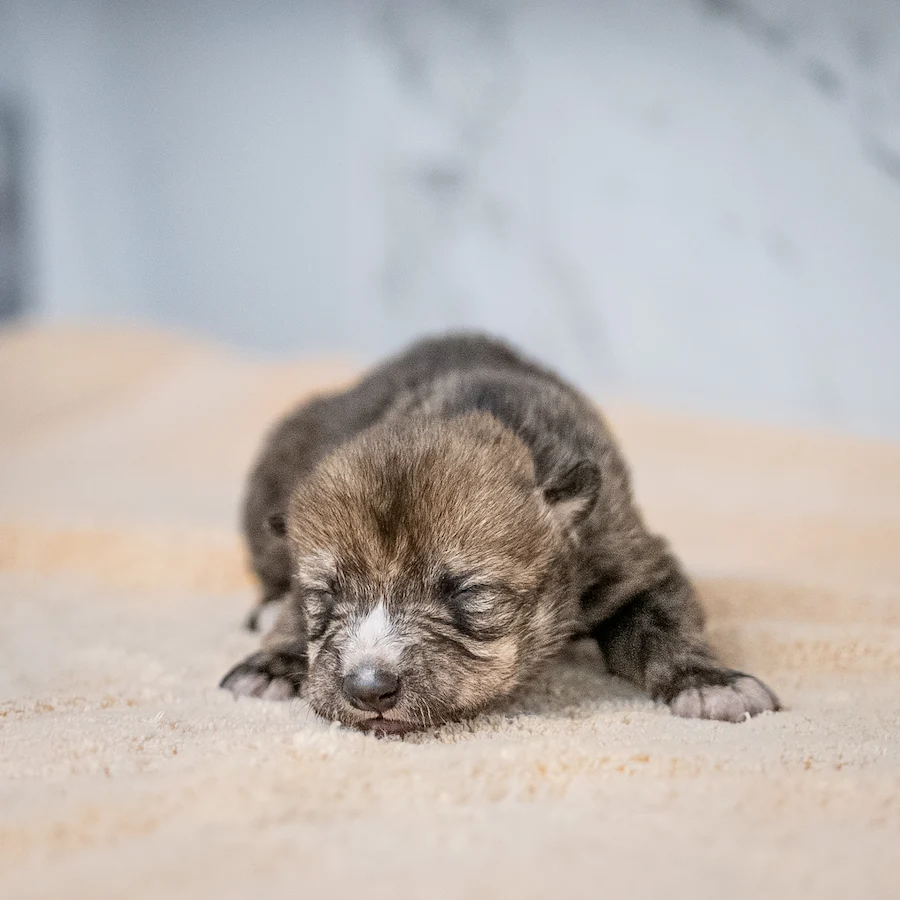
10 days old and ready for adventure, six Mexican wolf pups prepare for life in the wild. See why we call them "potato-size" pups?
Why Reintroduce Wolves Into Their Native Range?
Wolves Matter
Mexican wolves (Canis lupus baileyi) are more than a beautiful species—they're a keystone carnivore, essential for maintaining balanced ecosystems. By controlling herbivore populations, they help prevent overgrazing, promote healthy plant growth, and reduce the spread of disease—ultimately benefiting countless other species, including humans.
How Does Wolf Pup Fostering Work?
Wolf pup fostering is a conservation technique where pups born in managed care are placed into wild wolf litters. Thanks to the pack-oriented, nurturing nature of wolves, wild mothers adopt these pups seamlessly, raising them as their own.
But this isn’t just about growing pack sizes.
Boosting Genetic Diversity
The real goal? Increasing genetic diversity in the wild population. With less than 300 Mexican wolves remaining in the wild (according to USFWS), introducing new bloodlines is vital for creating a healthy, sustainable population. Each pup added to the wild brings fresh genetics that strengthen the overall species’ resilience.

"This year was a special pup foster to help facilitate, because the pack is very genetically valuable. The father of these pups was actually born from artificial insemination back in 2017, so getting his genetics back into the landscape is a huge conservation win."
Sarah Holaday, Director of Animal Care and Conservation at the Endangered Wolf Center and Co-vice Chair of the SAFE Mexican Wolf Program

The pup foster team traveled to New Mexico to ensure the pups were fed on the plane and cared for throughout their travels.
High Stakes, High Rewards: The Challenges of Pup Fostering
Fostering may sound simple, but it requires precise timing and coordination with many different organizations and individuals. Litters in the wild and in managed care must be born within just a few days of each other, and as a rule of thumb, pups are transferred before they reach 14 days old—when their eyes and ears are still not even open yet.
Add in navigating remote, mountainous terrain, and it becomes clear: successful pup fostering is nothing short of a logistical and biological feat.
This year, the weather presented additional challenges, including hail, rain, and snow in the mountains while pups were placed into their new wild dens.

A Proven Path for Mexican Wolf Conservation
Since 2016, more than 140 Mexican wolf pups born in managed care have been fostered into the wild. Of those, 52 came from the Endangered Wolf Center alone. Fostering has become a cornerstone of the Mexican wolf recovery program, and each successful pup placement is another step toward a thriving wild population.
Conservation in Action: A Team Effort
This effort was made possible thanks to a strong collaboration among the Endangered Wolf Center, the U.S. Fish and Wildlife Service (USFWS), and dedicated partners in the field, including:
- Association of Zoos and Aquariums' SAFE Mexican Wolf Program
- New Mexico Department of Game and Fish
- USDA Forest Service
- USDA Wildlife Services
- LightHawk Conservation Flying
- Wolf Conservation Center
- White Mountain Apache Tribe
Protecting endangered species like the Mexican wolf requires teamwork that transcends boundaries. It’s a shared mission, powered by passionate experts and generous supporters like you.
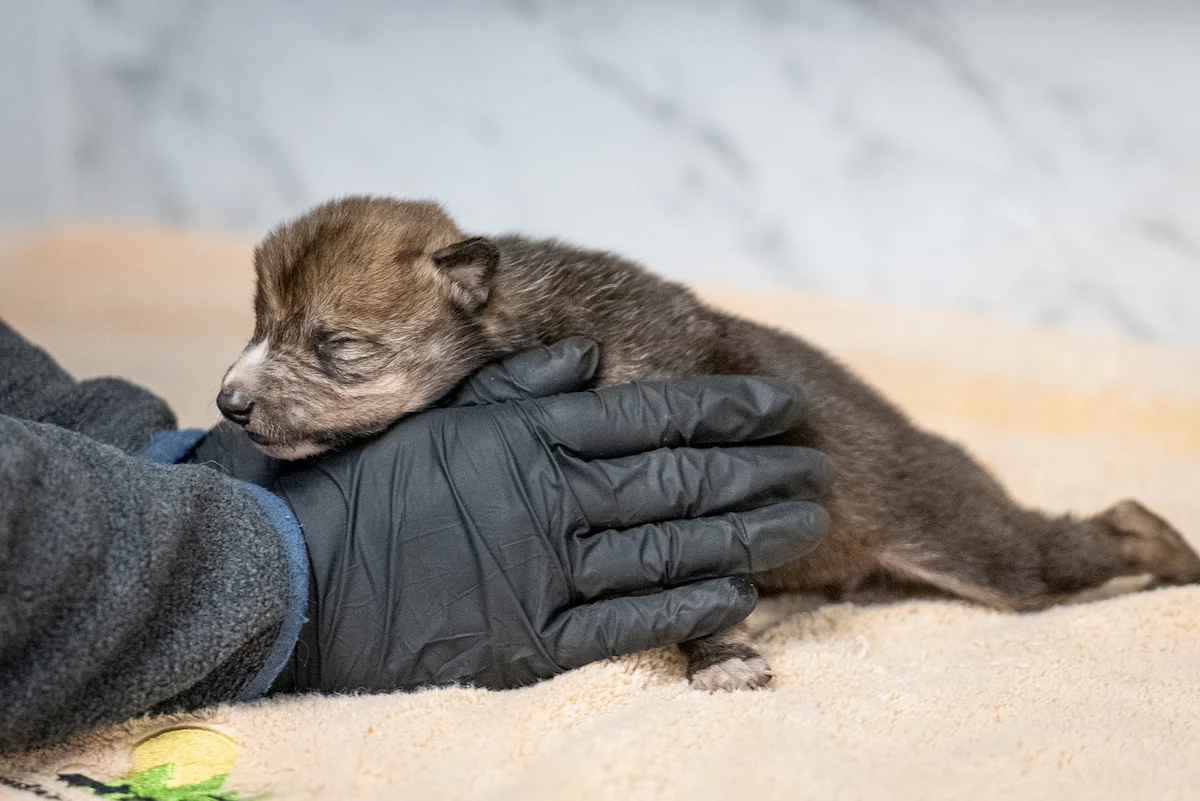
Squirmy pups were given microchips to track in the future during population surveys.
Help Keep the Howl Alive
These six pups symbolize more than hope—they represent the future of an entire species and the ecosystems they protect. But this mission can’t continue without public support.
You Can Make a Difference
Support Mexican wolf recovery today by making a donation or spreading the word. Together, we can ensure that the howl of the Mexican wolf echoes across the Southwest for generations to come.

Donate to “Hope in Bloom” Mexican Wolf Fundraiser