
How to Identify the Differences Between Coyotes and American Red Wolves
American Red Wolves and coyotes are different species, and research studies on their genetics highlight key distinctions. With a unique genetic makeup, American Red Wolves are distinct from both coyotes and their larger, gray wolf cousins.
Conservation efforts for this critically endangered wolf focus on preserving the distinct American Red Wolf genetics while maintaining genetic diversity for this fragile species.
In the recovery area for American Red Wolves in North Carolina and beyond, coyotes are sometimes mistaken for Red Wolves because of their visual similarities. This guide is intended to help identify key differences and help protect American Red Wolves and gain appreciation for their important role in a healthy ecosystem.
Coyote
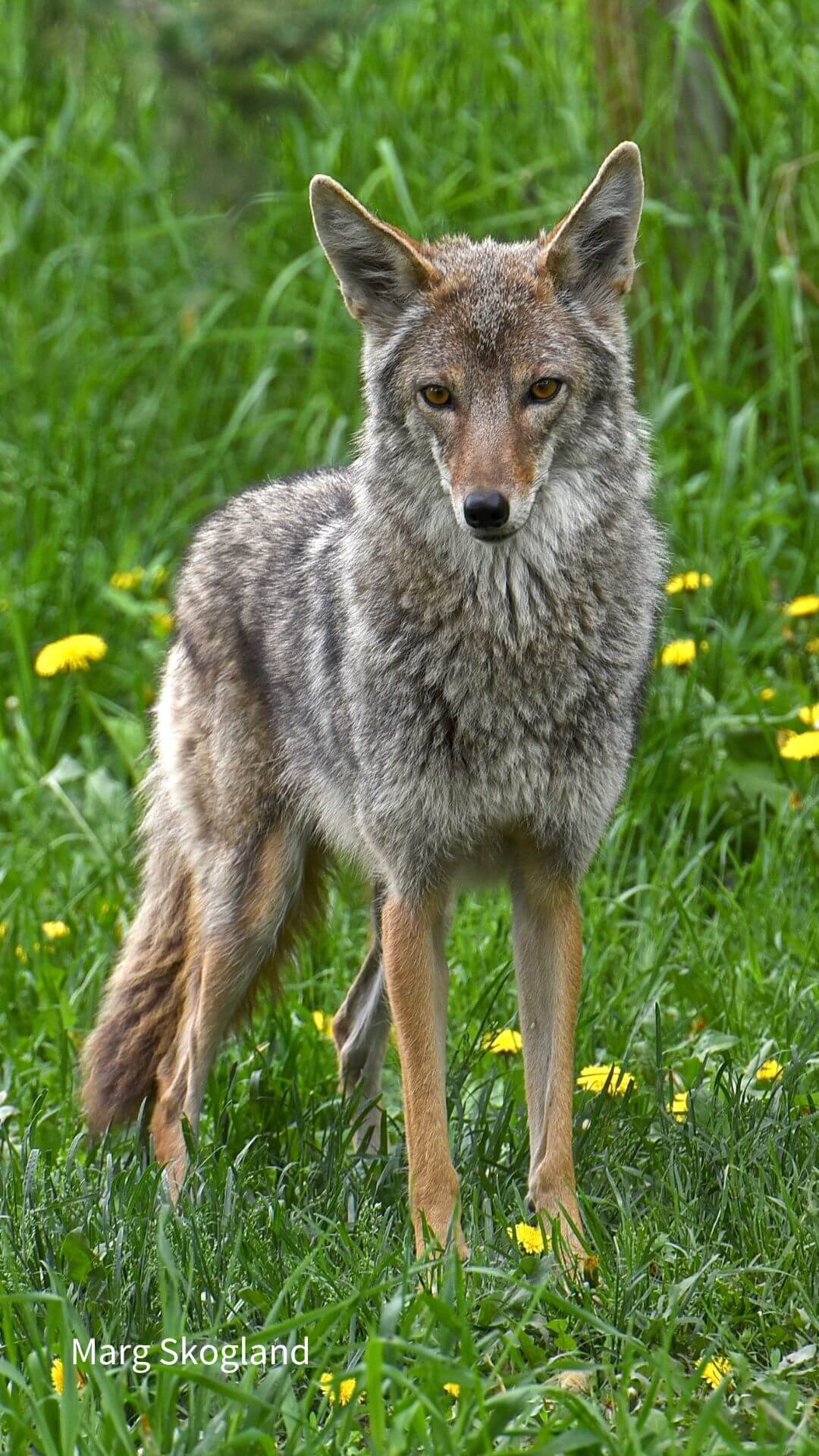
Coyotes embody much more than the cunning tricksters often portrayed in folklore; they are remarkably resilient animals that flourish in a wide range of habitats, demonstrating an extraordinary ability to adapt to various challenges.
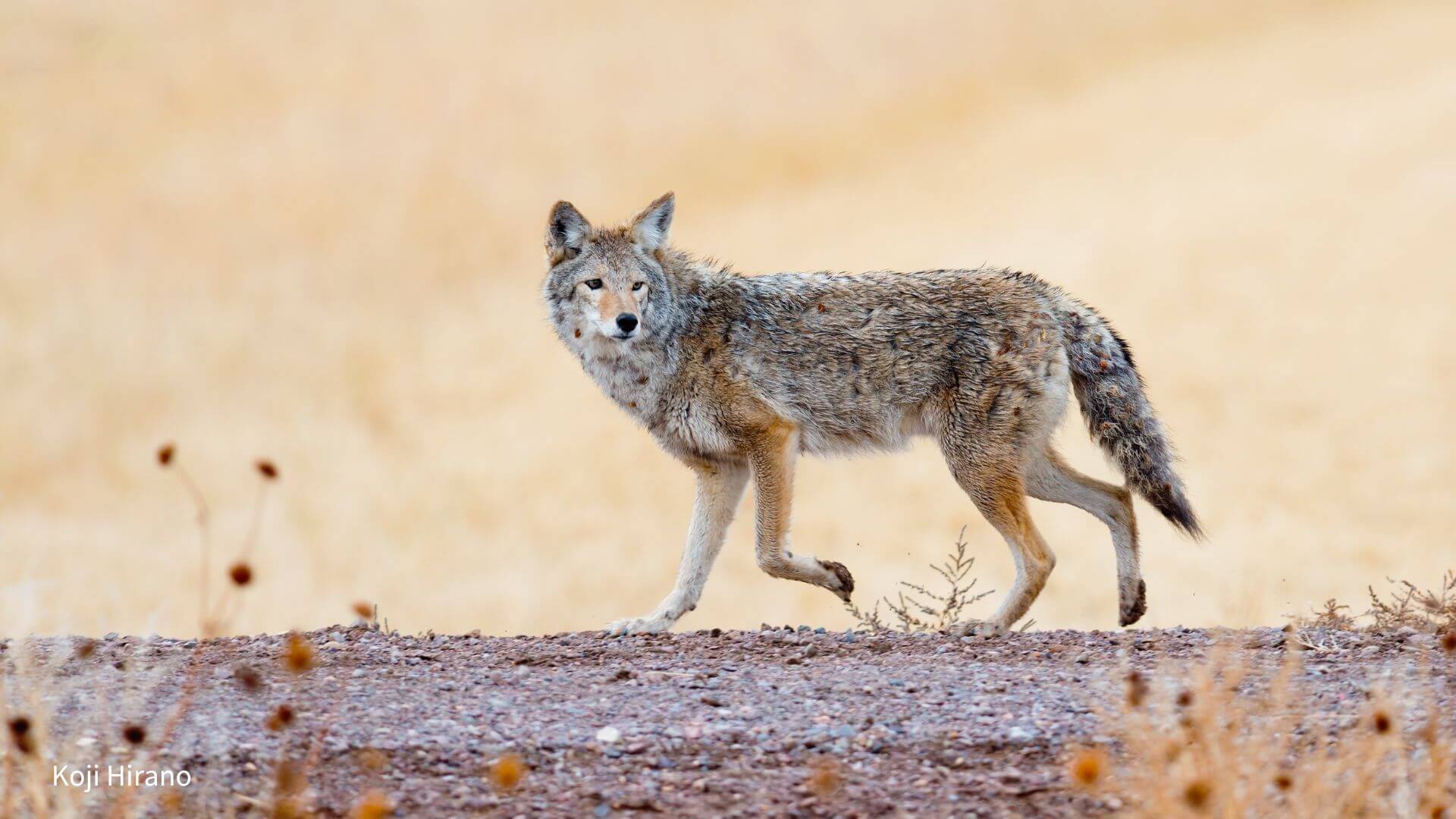
Physical Characteristics
- ~24" tall at shoulder
- ~20-35 lbs
- ~3.5 feet long from nose to tail
- narrow head and muzzle
- pointed ears
- shorter howl vocalization, often with yips and barks
- light gray color with black, buff, and tan shades
- paw size ~ 2" x 2.5"
No Collar or White Collar
Some coyotes within the recovery area of the wild Red Wolf population are fitted with white collars.

Coyote Howl
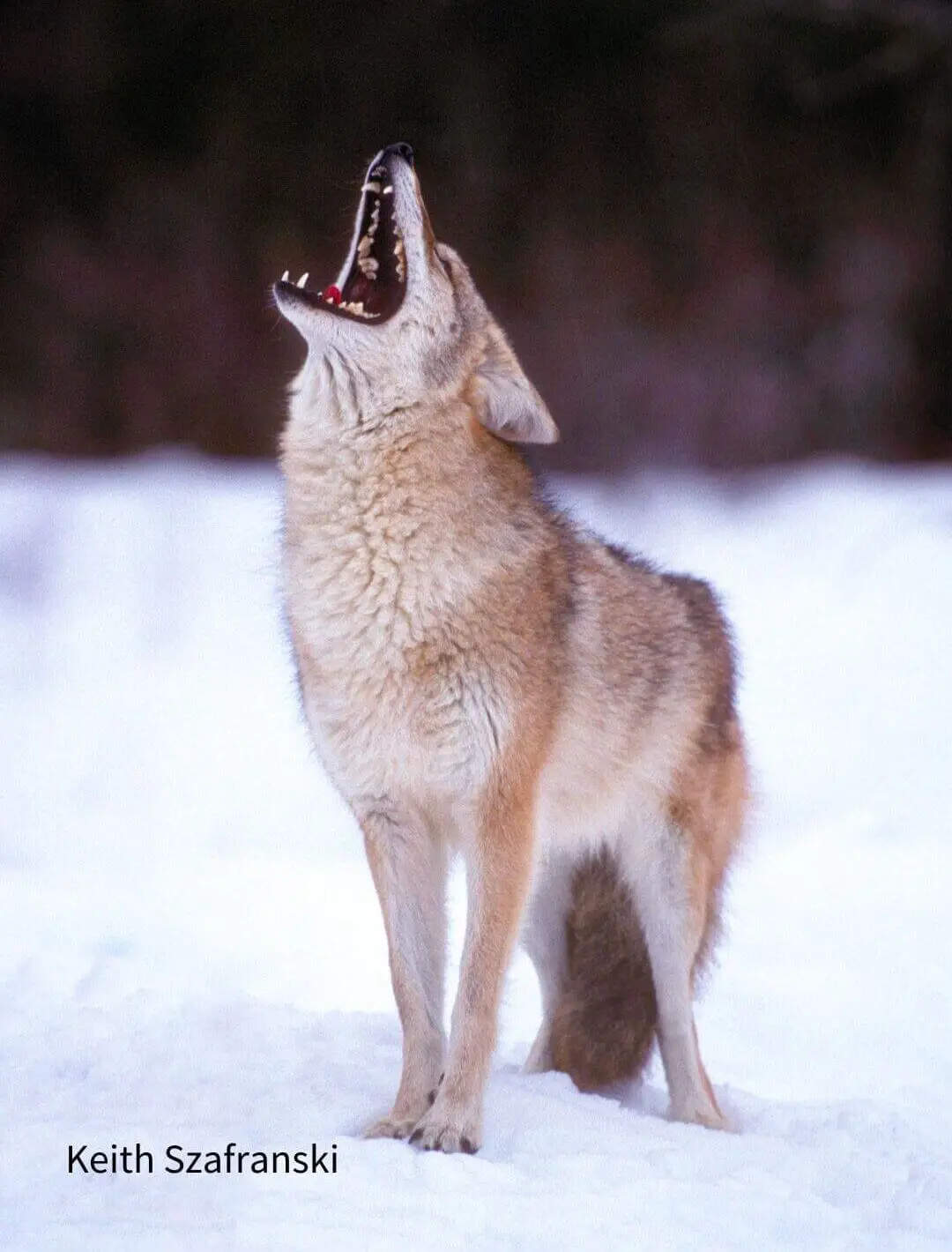
Behavior
These resourceful canids often live in family groups or packs that typically consist of a mated pair and their offspring. Their social structure is somewhat fluid; while they can be solitary hunters, they often collaborate during hunts, especially for larger prey.
Conservation Status & Habitat
Not endangered, found throughout Canada, the United States, and Central America.
American Red Wolf
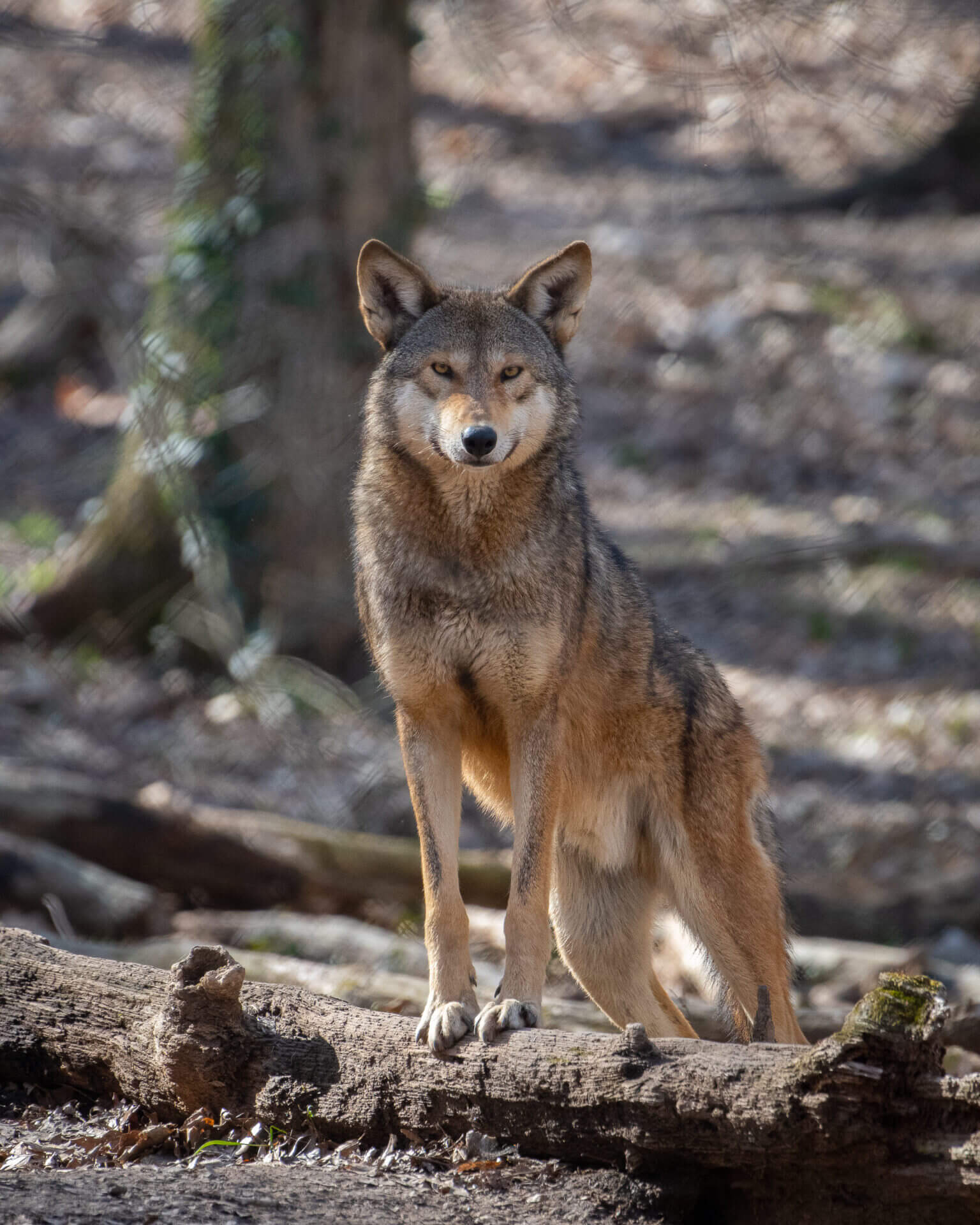
The American Red Wolf has a beautiful blend of rusty hues and due to their extreme rarity, catching sight of one is often a once-in-a-lifetime moment.
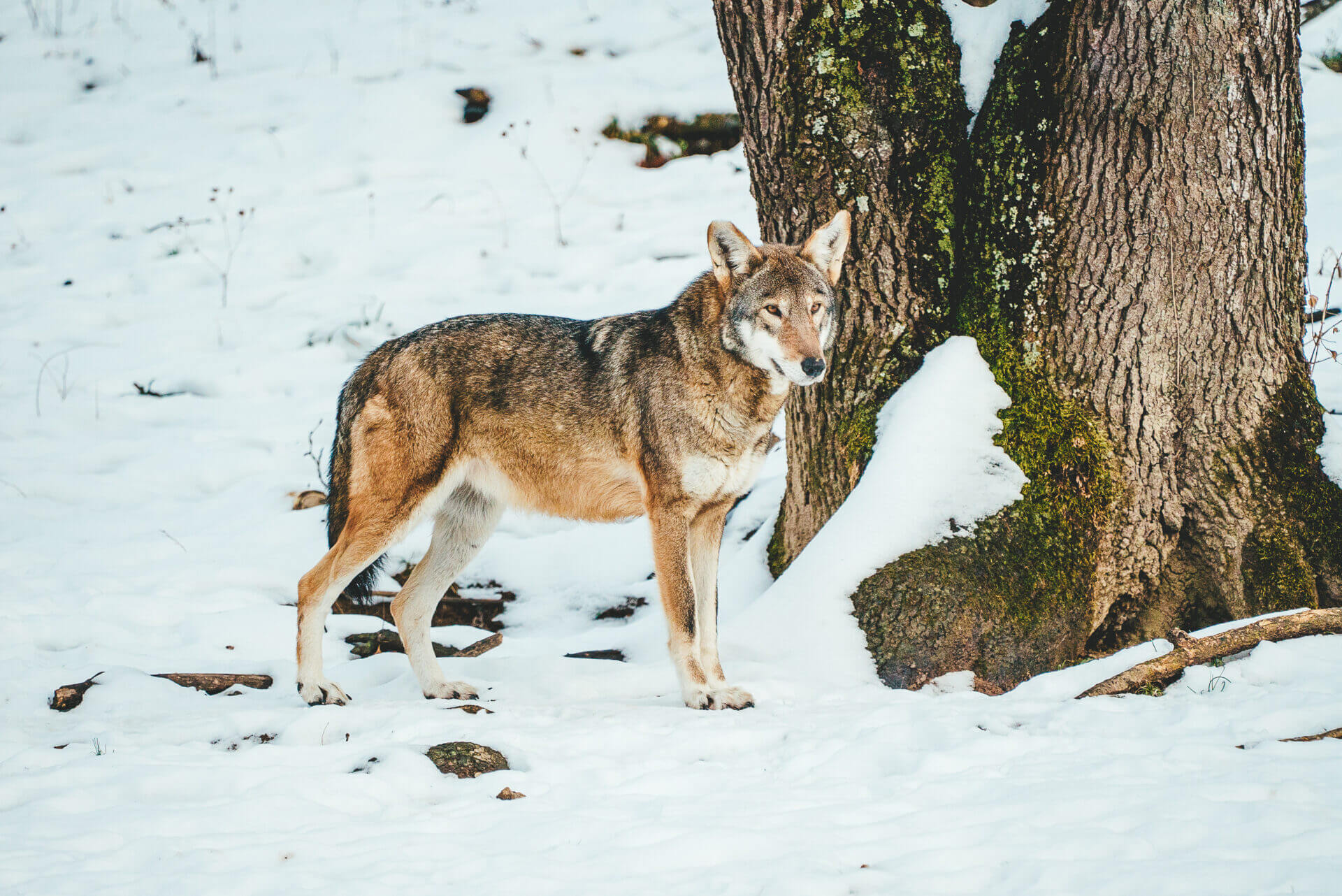
Physical Characteristics
- ~27" tall at shoulder
- ~45-80 lbs
- ~4.3 feet long from nose to tail
- broad head and muzzle
- rounded ears
- longer and deeper howls, with varying pitch
- brown & buff colored with black along their backs and reddish coloration on their head and legs
-
paw size ~ 3" x 3.5"
Orange Collar
American Red Wolves are federally protected under the Endangered Species Act and most adults wear bright orange tracking collars.

American Red Wolf Howl
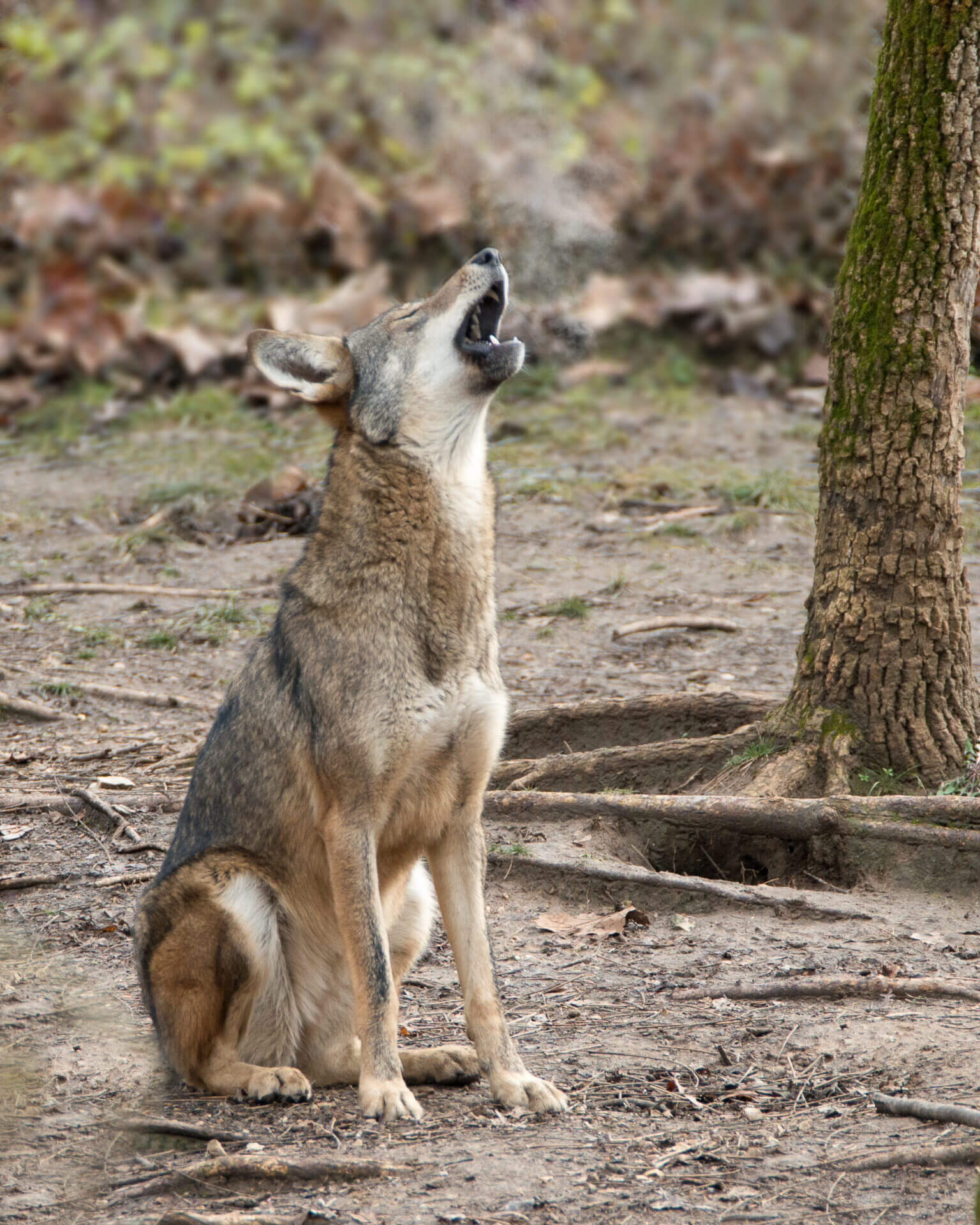
Behavior
Red wolves are social creatures that form close-knit packs, typically consisting of five to eight members, including a breeding pair and their offspring from various years. The older pups often play a significant role in helping the breeding pair raise the younger pups, contributing to the pack's cooperative dynamics.
Red Wolves will avoid human contact whenever possible. Their communication methods are diverse, including scent marking, vocalizations, and various facial expressions and body postures, allowing them to convey important social information within their packs.
Conservation Status & Habitat
Once native to the entire Southeastern United States, now critically endangered Red Wolves can only be found in eastern North Carolina.